01
The historic core is period work
Steep pitches, complex valleys and material specifications that a 1970s ranch simply does not need.
Serving the Miami Valley
the Miami Valley
Roofing in Centerville, surveyed two months before Dayton itself. Stone houses in the historic core, 1960s suburbia around it, and the two quoted as the different jobs they are.
Tell us whether you are near the historic core or out in the ring. They are different jobs.
Two markets, two approaches
The stone core and the suburban ring get quoted as genuinely different work, because they are.
Local registration in place
Centerville sets its own rules rather than following the county. That is dealt with before we start.
Looked at, never averaged
On period property, square footage is close to meaningless as a basis for a price.
The Problem
Those need different roofers, and honestly they need different quotes.
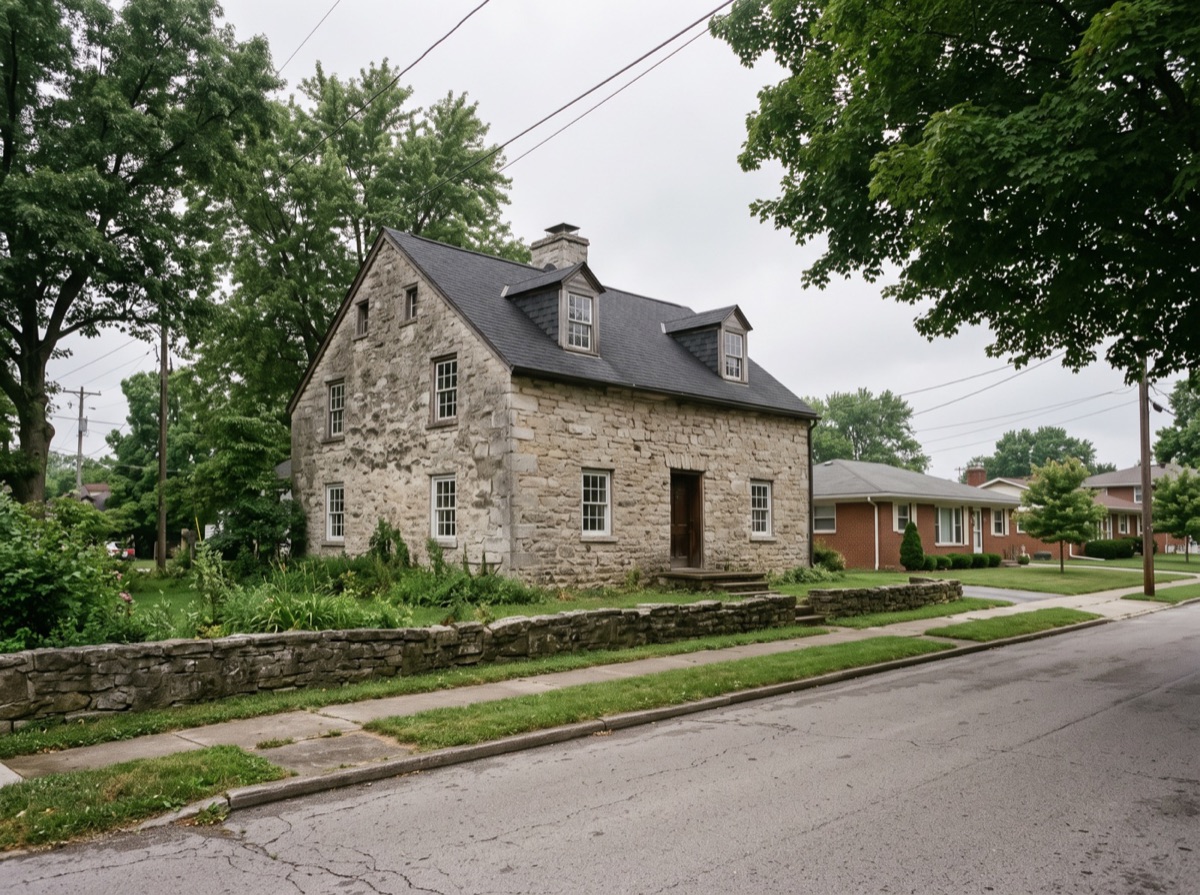
Centerville was first surveyed in February 1796, two months before Dayton was established, platted in 1805 and only became a city in 1968. What that leaves is a genuine historic core of early stone houses. Steep roofs, complicated valleys, and sometimes slate or cedar somewhere in their past. Around it sits a large ring of straightforward 1960s to 80s ranch and two-story housing. Pricing either off area gets you a number that will not survive the tear-off.
Why Us
A typical 2,200 square foot house in the suburban ring runs $13,500 to $18,500. Properties near the historic core vary far more, because complexity rather than area drives the price.
Steep pitches, complex valleys and material specifications that a 1970s ranch simply does not need.
1960s to 80s ranch and two-story work, quoted quickly because there is very little hidden in it.
Centerville runs contractor registration separately from Dayton and Kettering. We are registered and we handle it.
What We Do
Everything we cover under Dayton roofing services, from a single slipped shingle to a full tear-off. Not sure which one you need? Call and we'll tell you straight.
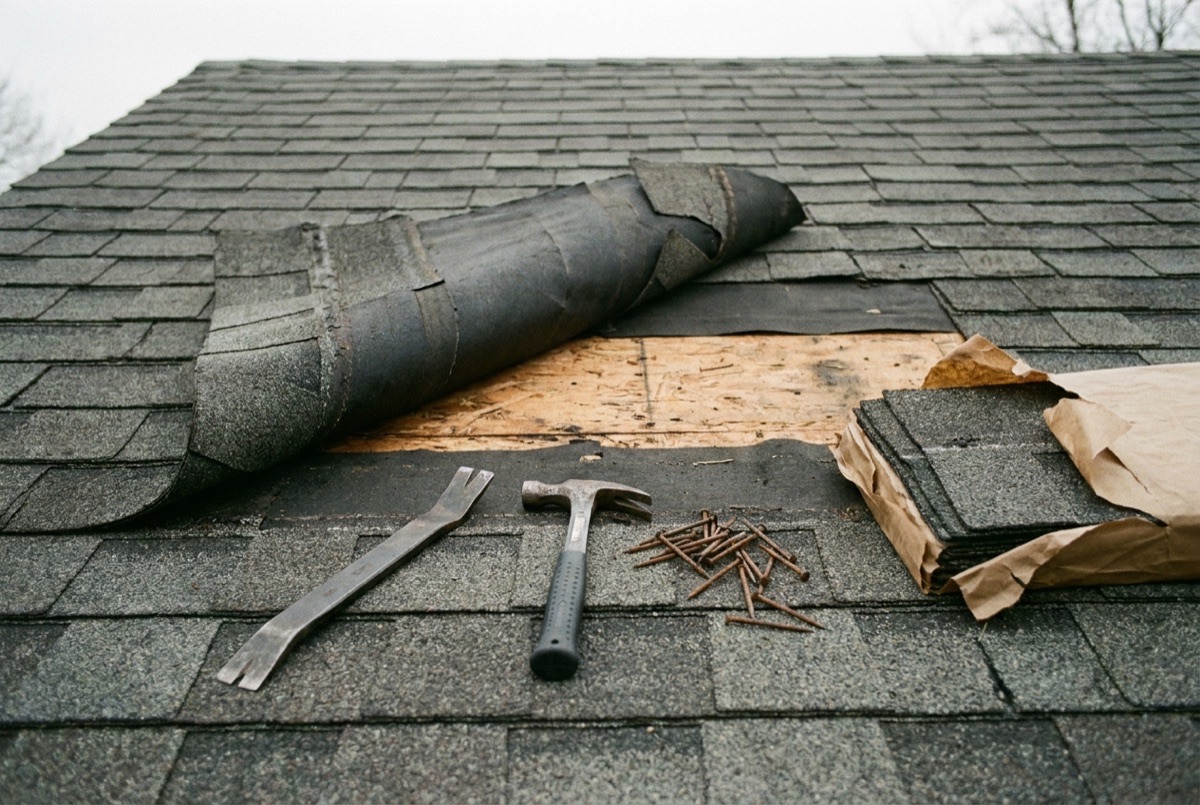
Leaks, missing shingles, failed flashing. Most repairs are done the same day we quote them.
Learn more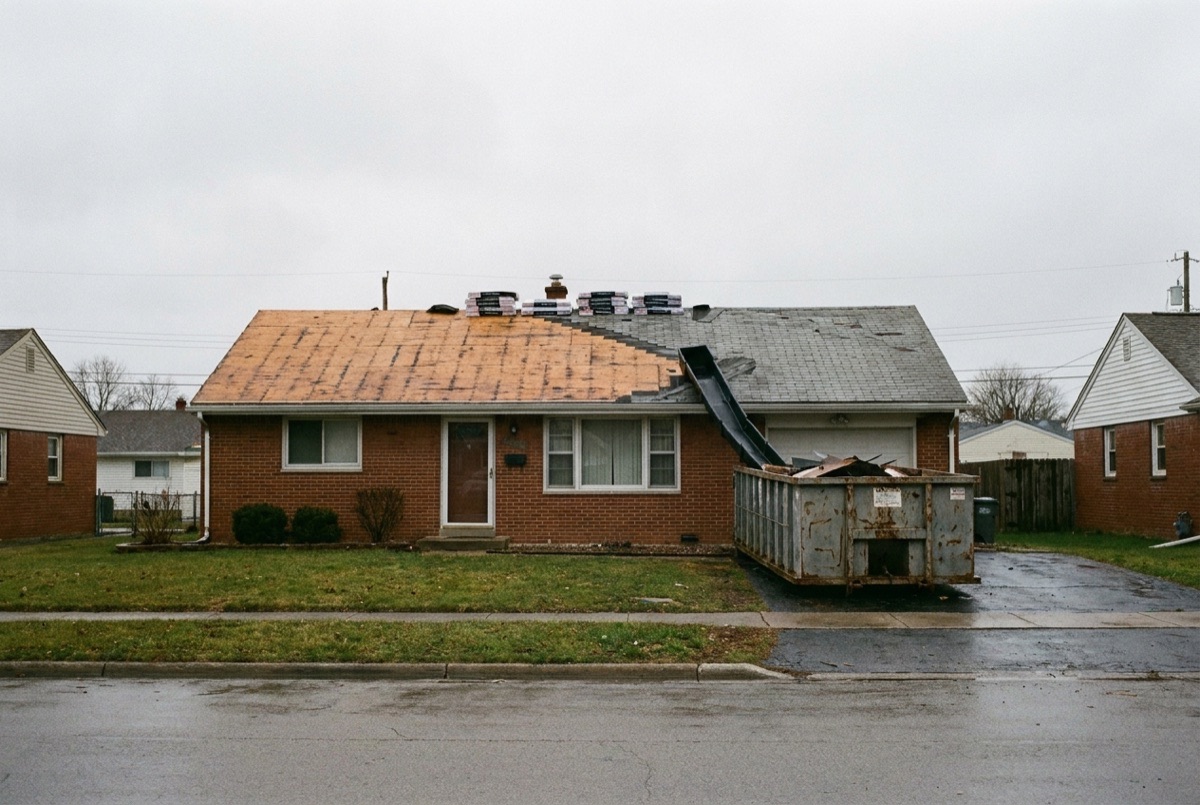
Full tear-off and a new roof, usually three days. Written price up front, and we tell you if you don't need one yet.
Learn more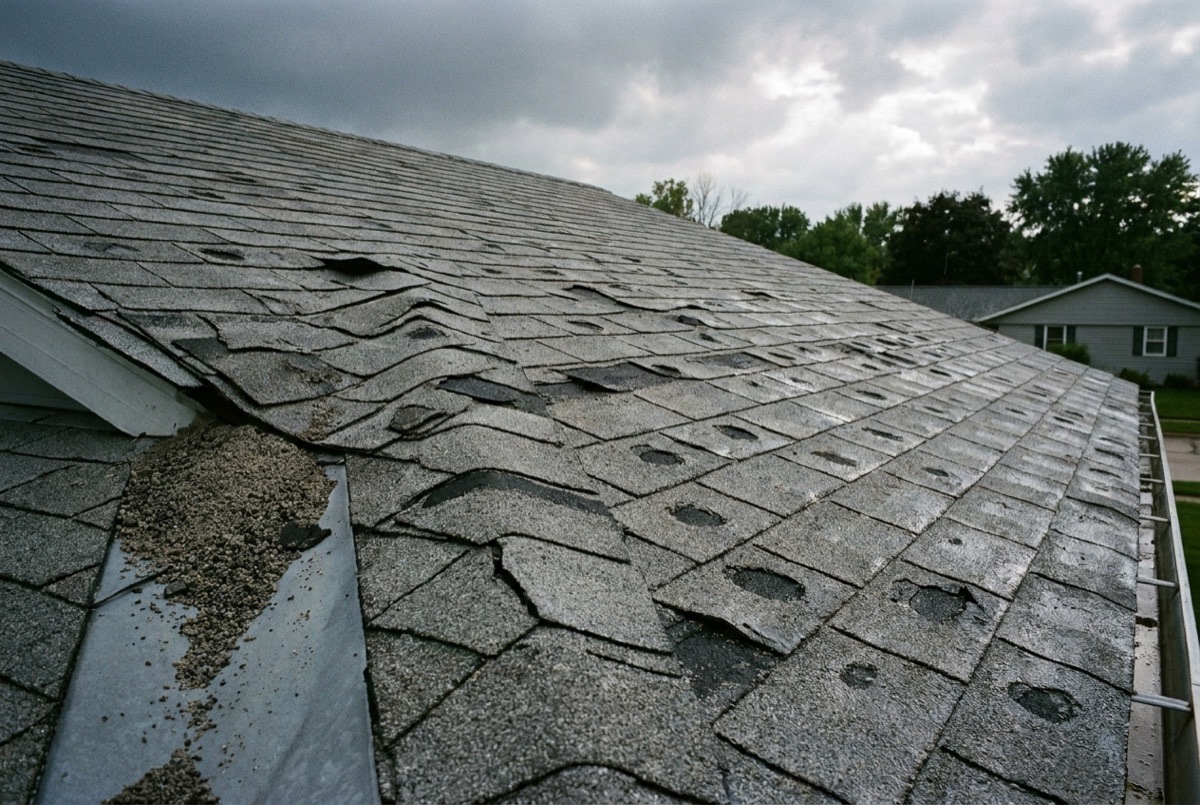
Hail, wind and fallen branches. Free inspection with photographs you keep, whether you end up claiming on insurance or not.
Learn more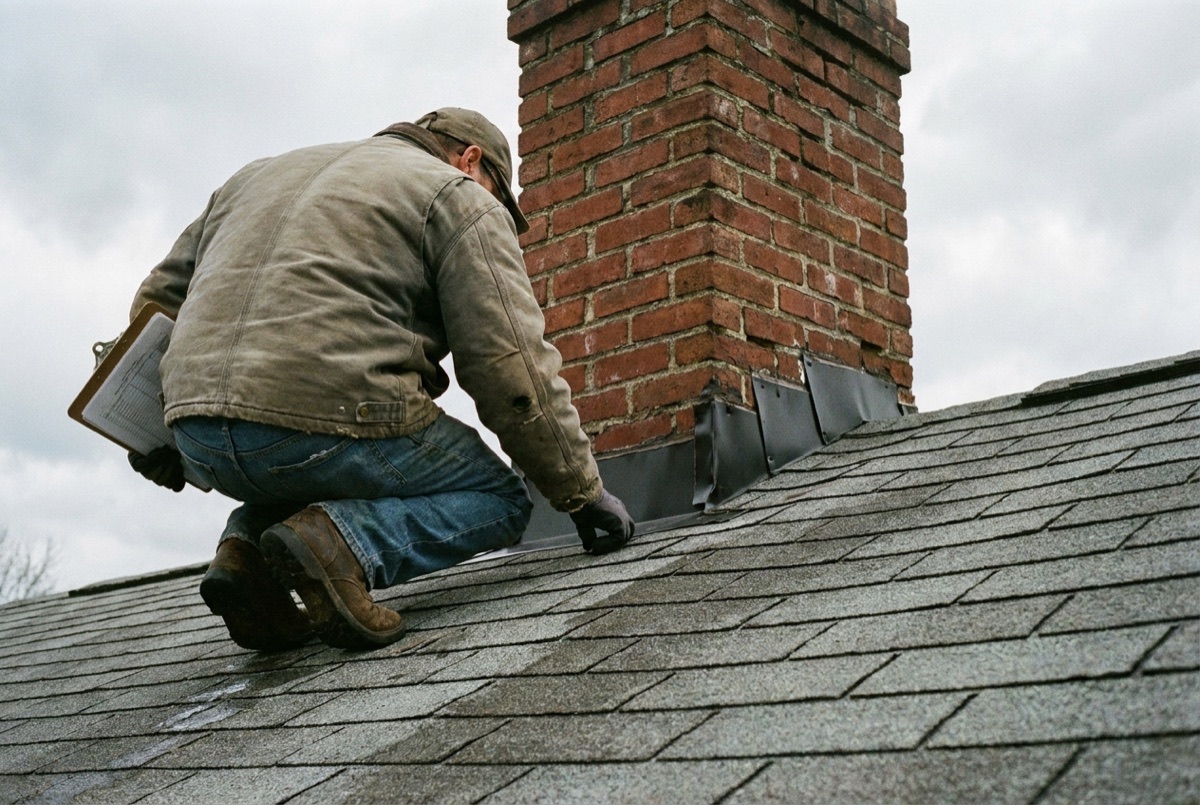
A proper look, on the roof, not from the driveway. Free, and you keep the photographs whether you hire us or not.
Learn more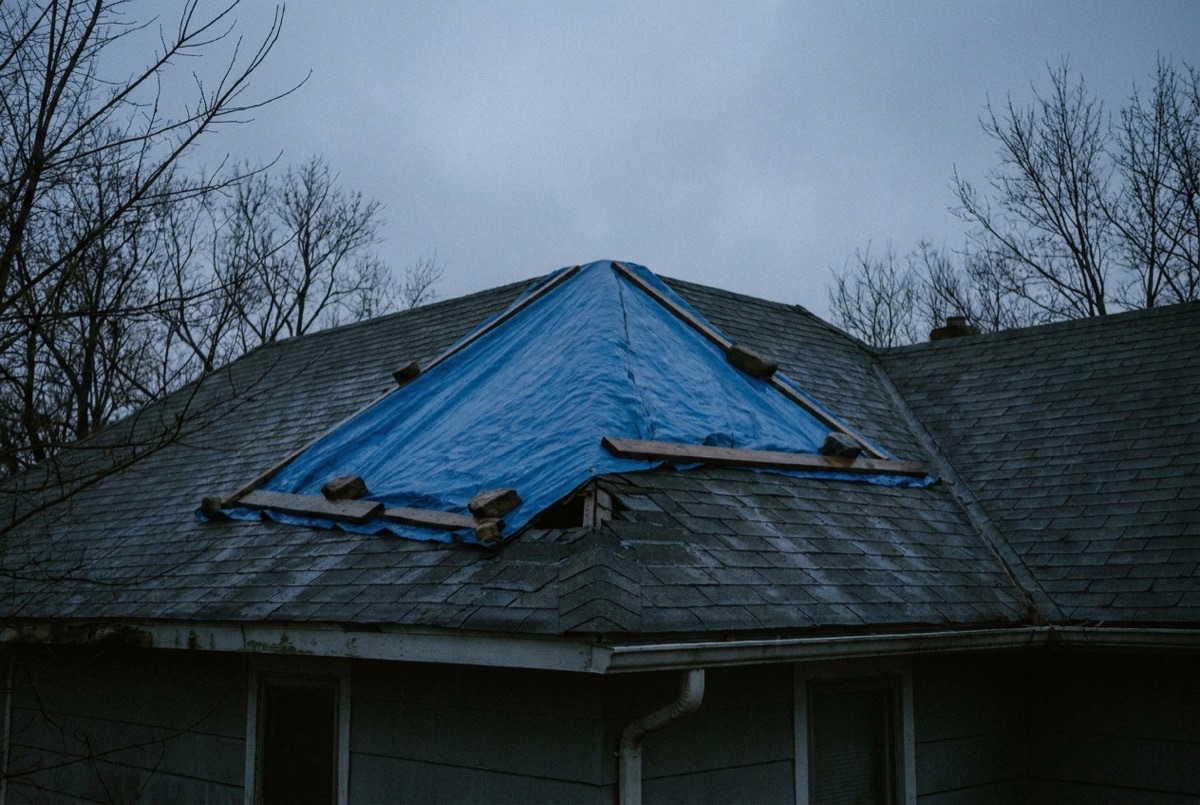
Someone answers the phone out of hours. We'll make it watertight tonight and do the proper repair when the weather allows.
Learn more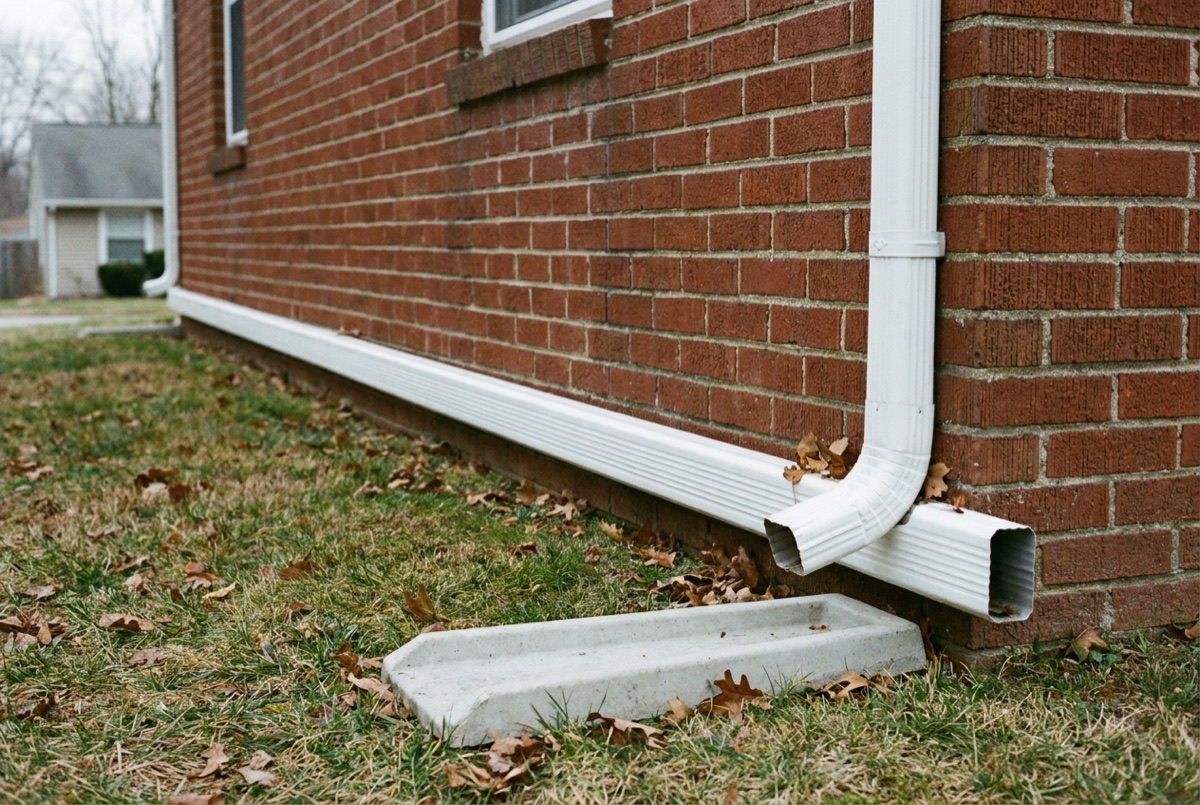
New gutters, guards, repairs and cleaning. Dayton gets 41 inches of rain a year, and gutters that are too small show it fast.
Learn more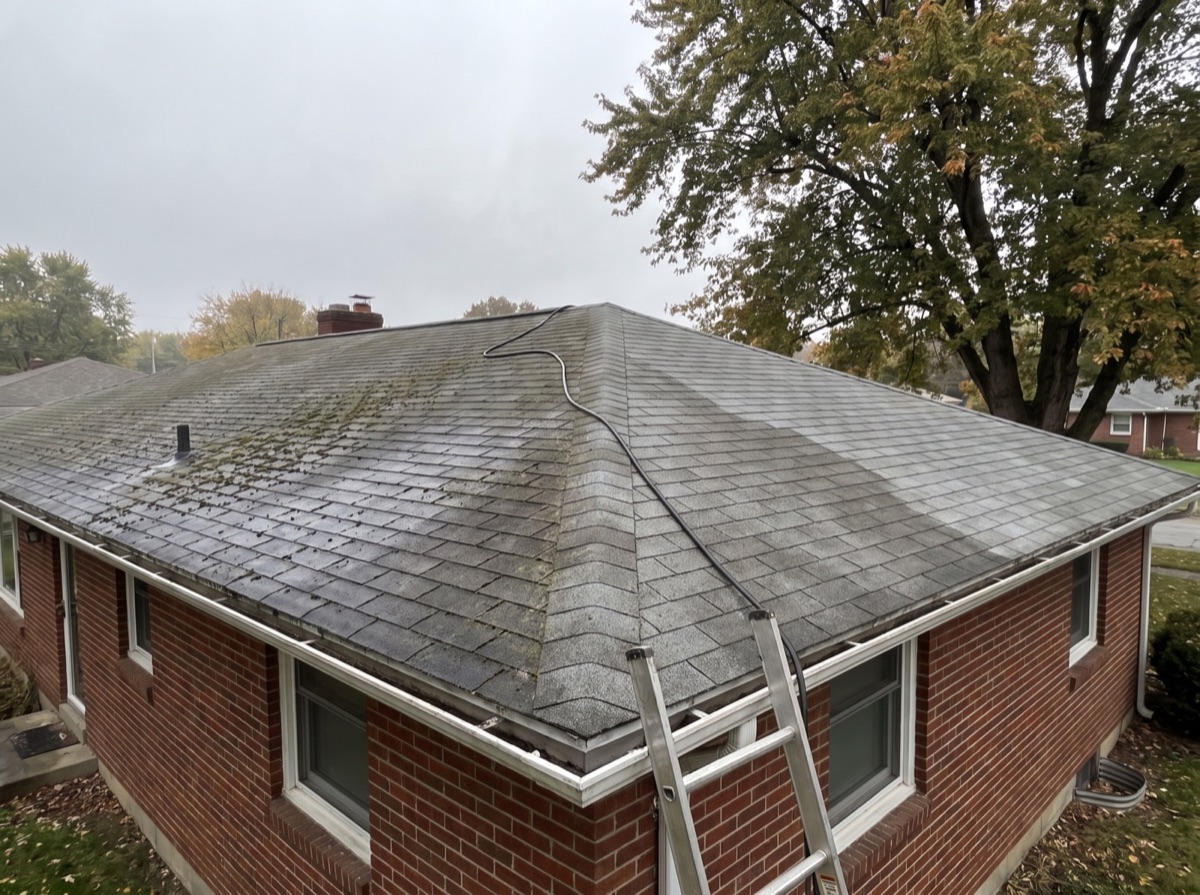
Soft wash for black streaks, moss and algae. No pressure washer goes anywhere near an asphalt roof.
Learn more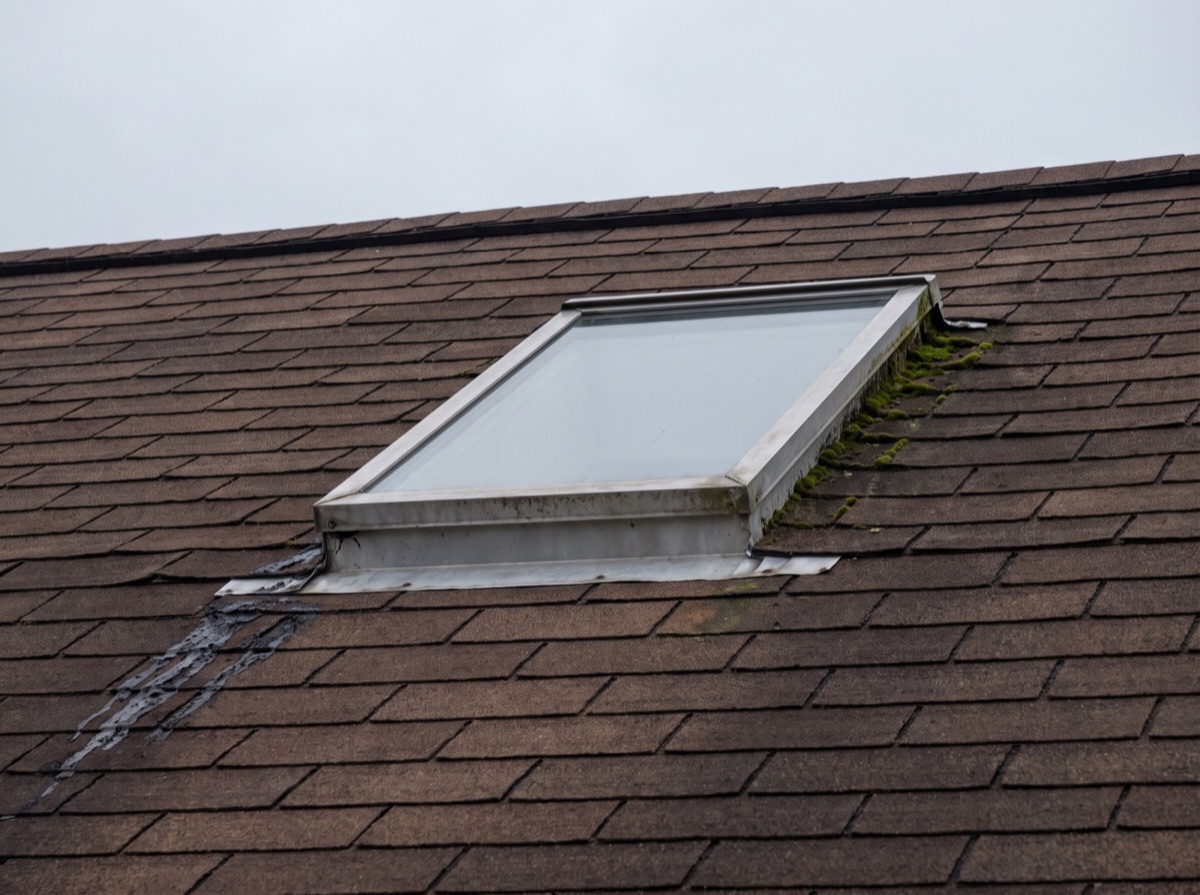
Leaking skylights, failed seals and misted glass. Nine times in ten the leak is the flashing, not the skylight.
Learn more
The Difference
The temptation in a town like this is to run one price per square across everything and let the averages take care of it. That works out fine on the outer ring and badly in the core. There, a steep roof needs scaffolding, the valleys need proper work, and what is under the covering can be a real surprise.
So we look at what is actually there before pricing anything. On a 1970s ranch that takes twenty minutes. On a stone house near the historic district it takes longer, and the number that comes out of it is one we can stand behind.
How It Works
Which half of town you are in decides how the visit goes.
Near the historic core or out in the ring. That shapes everything that follows.
Pitch, valley detail and the layer history, because on these houses that is where the cost lives.
Centerville's own contractor registration, sorted before anyone climbs a ladder.
Material and detail chosen for the building rather than applied uniformly across a price list.
Reviews
“We had a leak over the back bedroom for almost two years and kept putting a bucket under it. The team found the problem in about ten minutes. It turned out to be the flashing around the chimney, not the shingles. They fixed it that same afternoon. I wish we had called sooner.”
“We had a full tear-off on our 1950s ranch. The crew arrived at 7 every morning and finished the job in three days. They even swept the entire driveway with a magnetic roller so our kids wouldn't pick up any nails. The final price was exactly what we were quoted.”
“After the hail last June, our insurance company questioned whether the damage was from the storm or simply the age of the roof. The team inspected everything, took detailed photos, and joined the call with our adjuster. The claim was approved. I don't think we would have managed it on our own.”
“Good work at a fair price. I gave four stars because our job had to be pushed back a week due to rain, and I had already taken the day off. They did call ahead and kept us informed instead of simply not showing up, which I appreciated.”
“A tree came down on our garage roof at around nine at night. Someone actually answered the phone, which I wasn't expecting. They had the roof tarped before midnight and came back the following week for the permanent repair. Great response when we needed help.”
“We had new seamless gutters and gutter guards installed around the whole house. They made the gutters right there on site, which I hadn't seen before. We've had two heavy storms since the installation and nothing has overflowed onto the patio. That was exactly the problem we wanted fixed.”
“I booked a roof inspection expecting to hear that we needed a full replacement because that's what the previous two companies told us. After inspecting it, they said our roof probably had about five years left and told us to call back when the time came. They didn't charge us for the inspection. That honesty is why they'll get the job when we eventually replace it.”
“This is the second time we've used them. They installed our gutters a couple of years ago, and we recently hired them again for a full roof replacement. We even had the same crew leader both times. The quote was clearly itemized, so we could see exactly what we were paying for, including the wood underneath repairs.”
Centerville was first surveyed in February 1796 by Aaron Nutt, Benjamin Archer and Benjamin Robbins, two months before Dayton itself was established. It was platted in 1805, incorporated as a town in 1830, and only became a city in 1968. What that produces is unusual: a genuinely historic core, including a National Register historic district of early stone houses, wrapped in 1960s and 70s suburbia.
Those two need different roofers. The historic stock has steep pitches, complex valleys and sometimes slate or cedar in its history; the suburban ring is straightforward ranch and two-story work. We quote them as the different jobs they are.
Most of what we do here is the 1960s–80s housing: a 2,200 square foot ranch or two-story typically running $13,500 to $18,500 for a full architectural shingle replacement. Centerville operates its own contractor registration, separate from Dayton's. We handle it.
Yes. The stone houses around the historic district need a sympathetic approach and often a different material specification from a 1970s ranch. We look at what is actually there before quoting rather than pricing off square footage.
A typical 2,200 square foot house runs $13,500 to $18,500 for a full tear-off and architectural shingle. Older properties near the historic core vary more, because pitch and complexity matter more than area. Kettering next door is a far more uniform market.
Free Estimate
Stone core or 1970s ranch, we look at what is there before quoting. Contractor registration handled.