01
Around it, or through it
That one question decides everything else. Flashing is a repair, a failed sealed unit is a replacement, and condensation is neither.
Serving the Miami Valley
the Miami Valley
Leaking skylights, failed seals and misted glass across the Miami Valley. Nine times in ten the water is getting in around the unit rather than through it.
Tell us when the marks appear, during rain, or on cold mornings. That decides the whole job.
We find out which it is
Leak, condensation or a failed sealed unit, established before anyone quotes you a price.
Flashing kits replaced
Not sealed over. The kit is what ties the unit into the shingles, and the kit is what fails.
Honest about condensation
If it is an attic problem we say so, and that is a ventilation job rather than a roofing one.
The Problem
The two look identical on a ceiling and need completely different work.
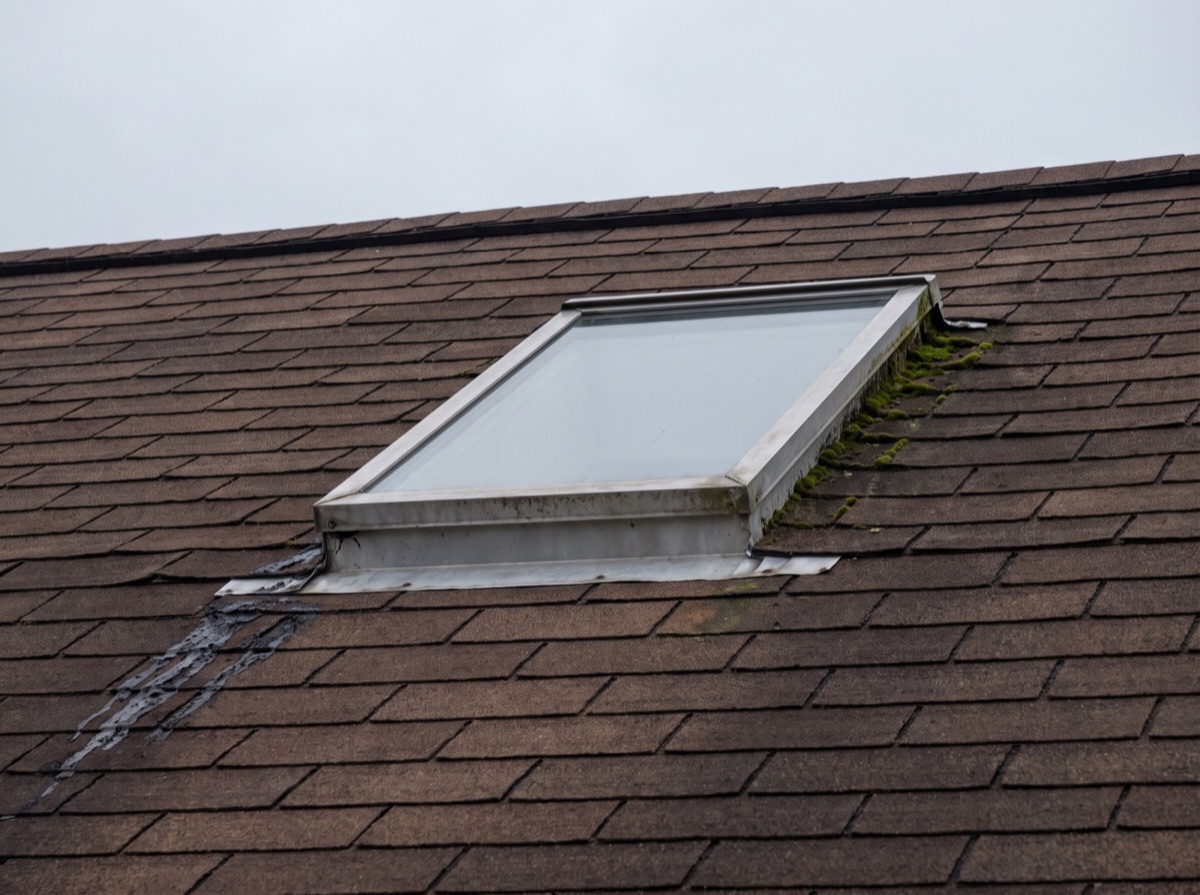
A stain that grows during and after rain is a leak. What failed is nearly always the metal flashing that ties the skylight into the shingles around it. It is the same problem as a chimney: two materials meeting, and the joint between them giving way. A stain that appears on cold mornings with no rain is condensation. It forms on a cold surface in a warm, damp room, and no amount of work outside will stop it. Misting between the panes is a third thing again: the sealed unit has gone and the glazing gets replaced.
Why Us
A flashing repair, a replacement unit and a ventilation fix are nowhere near each other in price. Guessing between them is how people end up paying twice.
That one question decides everything else. Flashing is a repair, a failed sealed unit is a replacement, and condensation is neither.
The 1970s and 80s ones sit on a wooden frame built on site and sealed with a thick waterproof paste. That seal is what keeps failing. Replacing beats sealing them a fourth time.
A flashing kit is designed to work with a specific shingle installation. Going back afterwards means disturbing new shingles to do it.
What We Do
Everything we cover under Dayton roofing services, from a single slipped shingle to a full tear-off. Not sure which one you need? Call and we'll tell you straight.
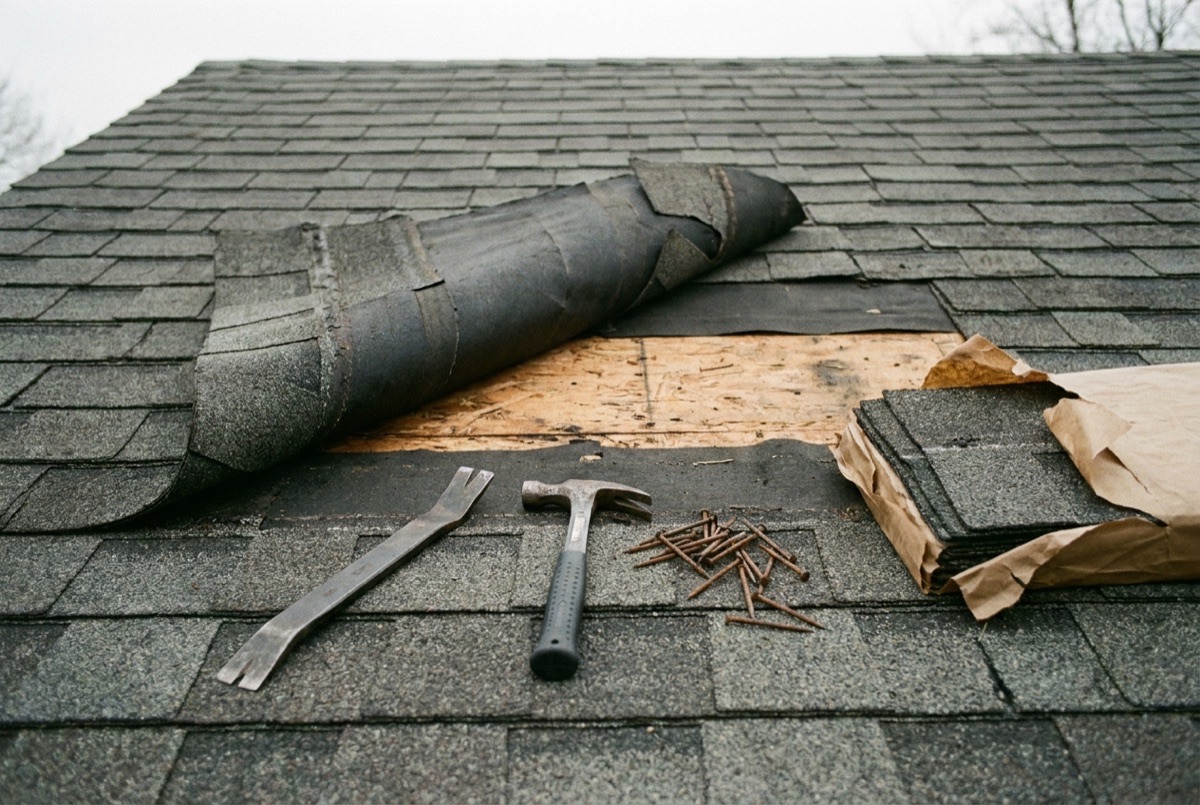
Leaks, missing shingles, failed flashing. Most repairs are done the same day we quote them.
Learn more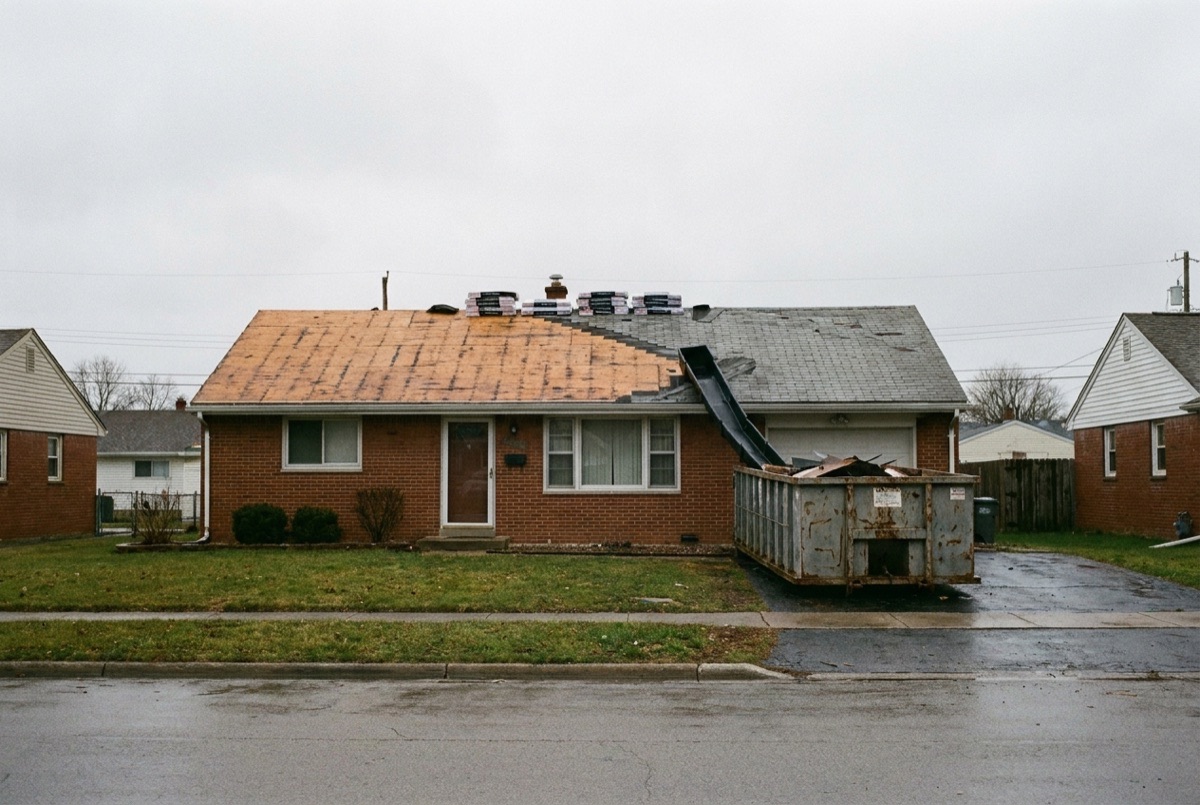
Full tear-off and a new roof, usually three days. Written price up front, and we tell you if you don't need one yet.
Learn more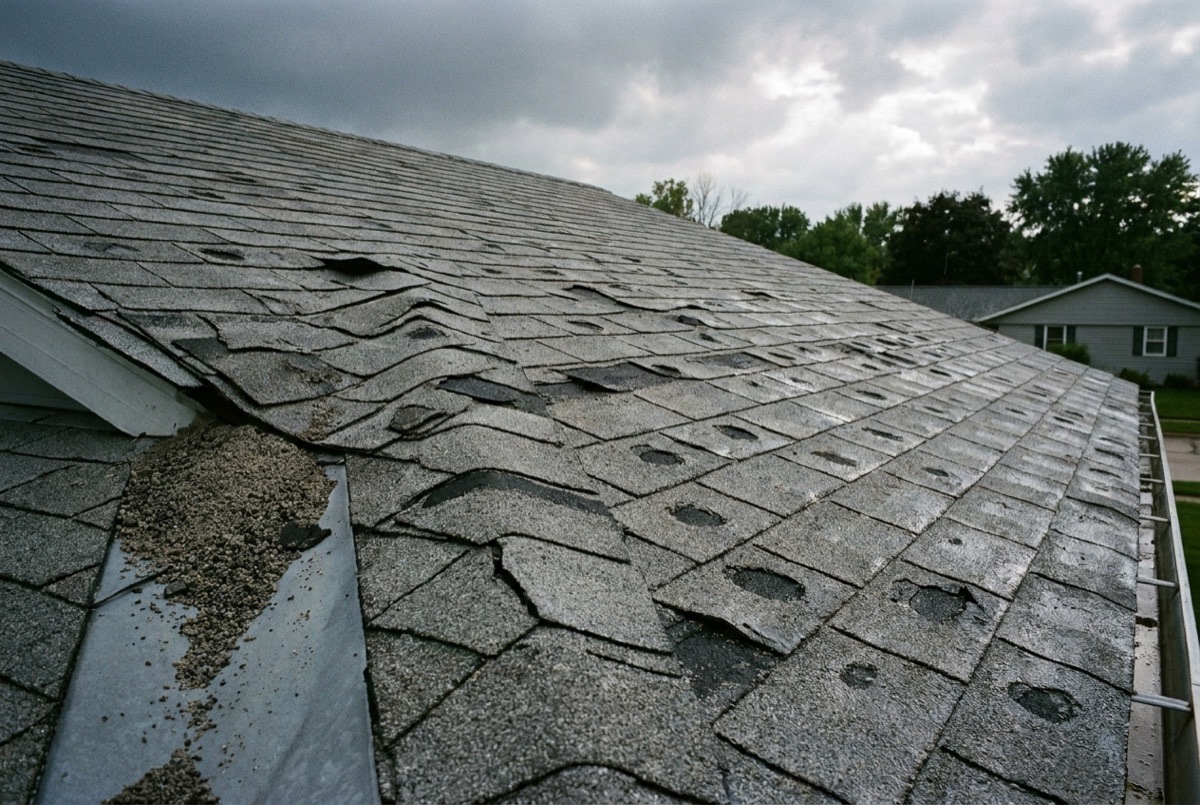
Hail, wind and fallen branches. Free inspection with photographs you keep, whether you end up claiming on insurance or not.
Learn more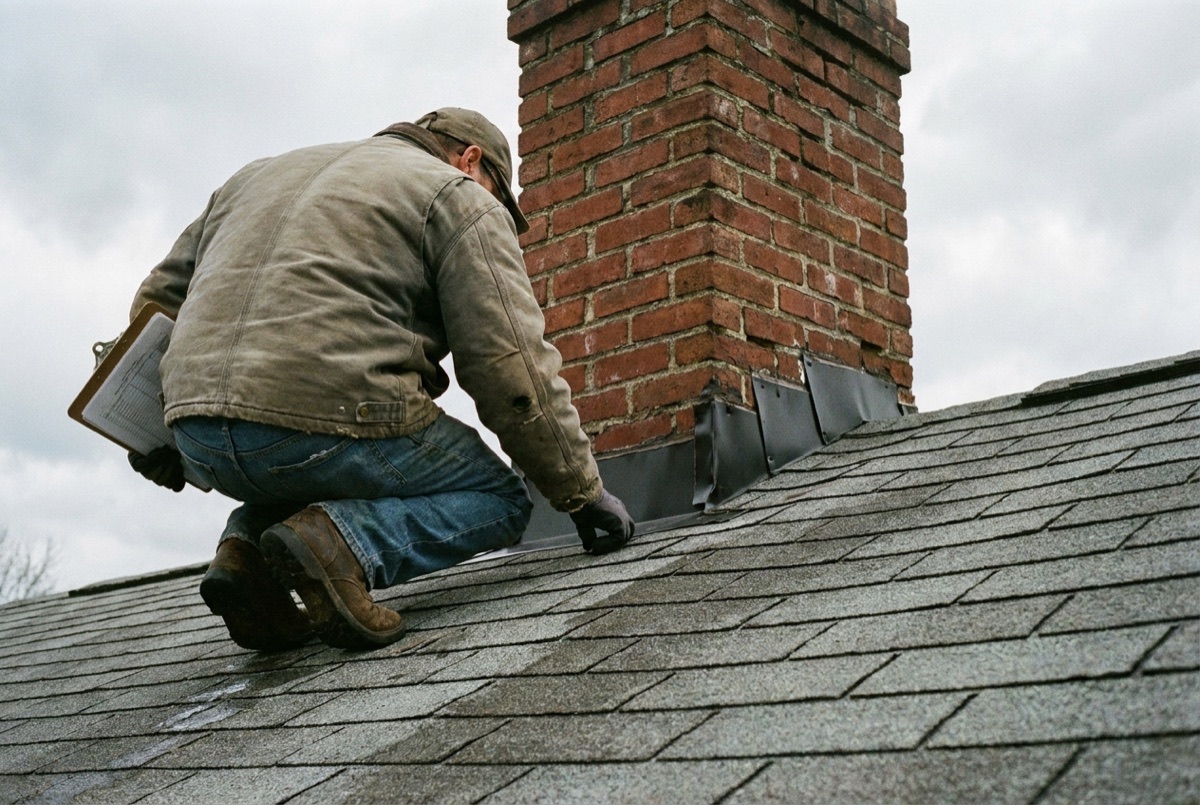
A proper look, on the roof, not from the driveway. Free, and you keep the photographs whether you hire us or not.
Learn more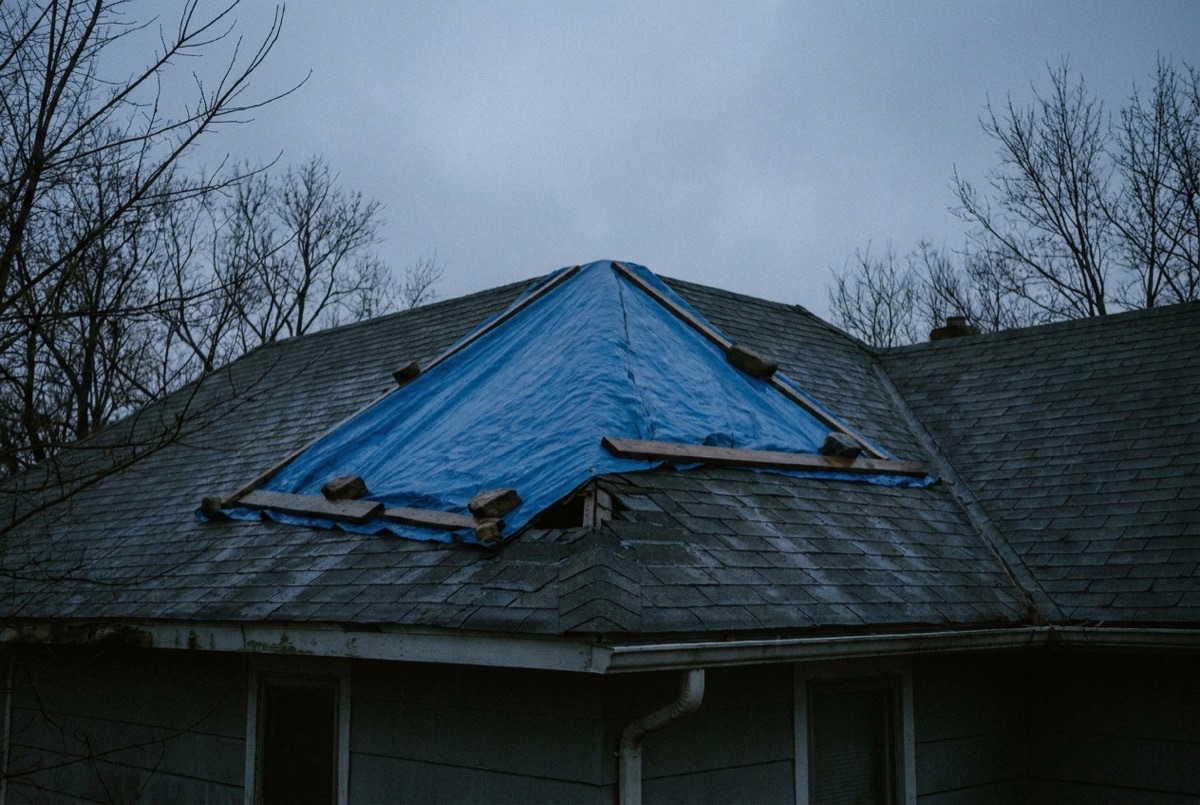
Someone answers the phone out of hours. We'll make it watertight tonight and do the proper repair when the weather allows.
Learn more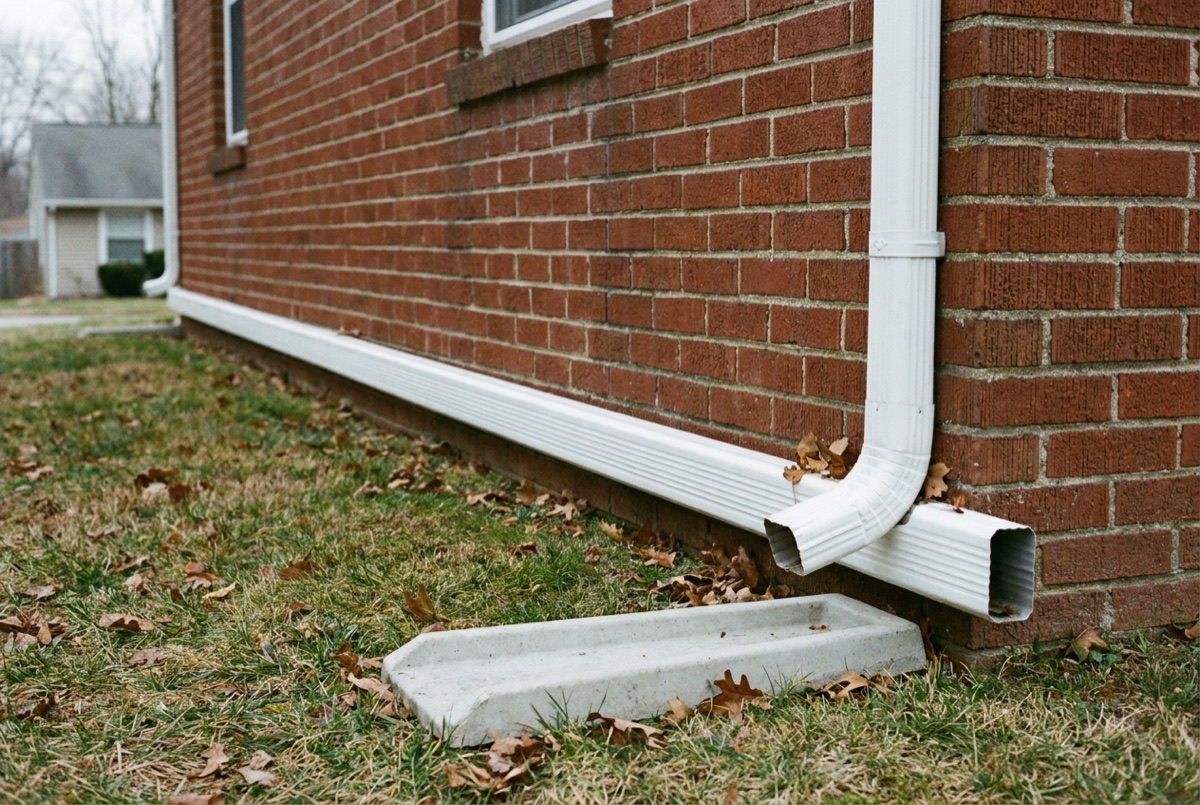
New gutters, guards, repairs and cleaning. Dayton gets 41 inches of rain a year, and gutters that are too small show it fast.
Learn more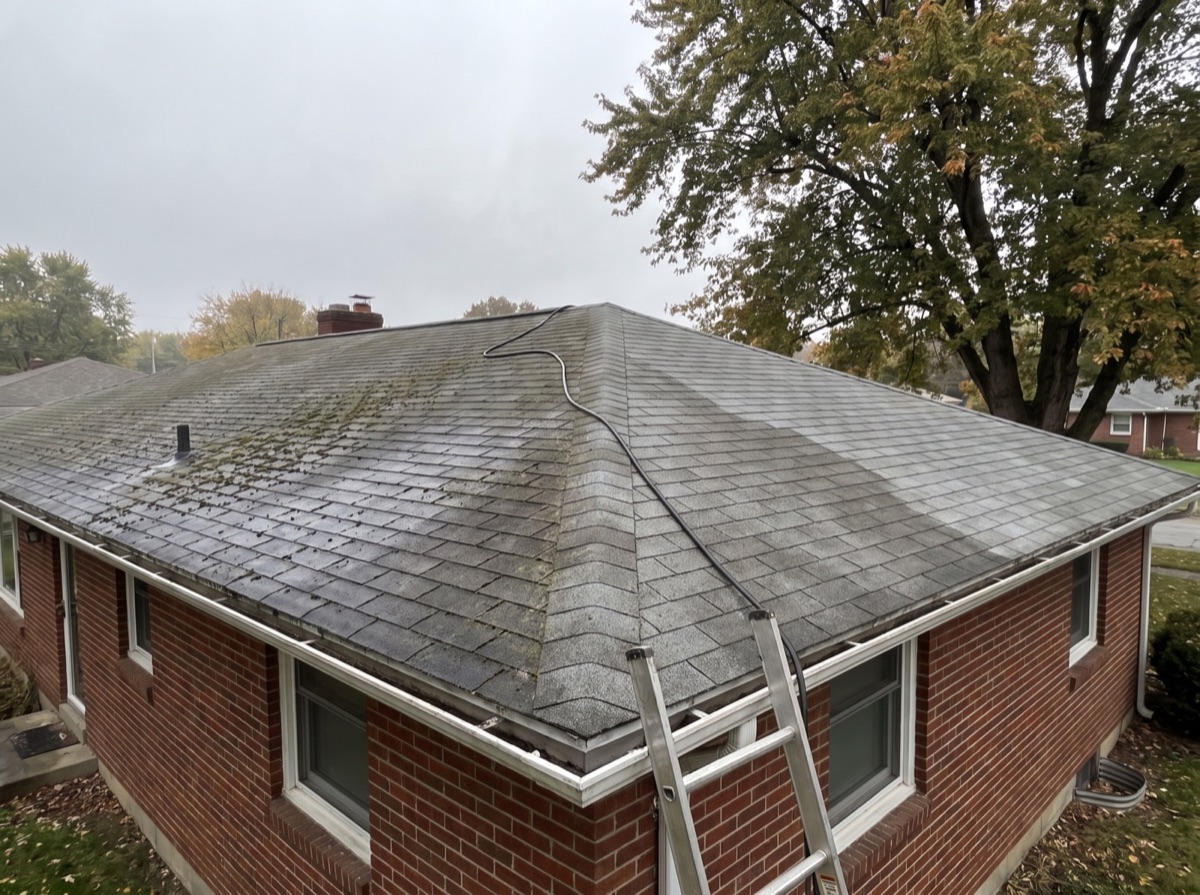
Soft wash for black streaks, moss and algae. No pressure washer goes anywhere near an asphalt roof.
Learn more
The Difference
A skylight that is leaking is three different faults wearing the same symptom. Water coming in around the unit is a flashing failure and a repair. Water on the inside of the glass on a cold morning is condensation, and no roofing work will touch it. Mist between the panes is a dead sealed unit and needs glazing.
Quote for the wrong one and the stain comes back. So we work out which of the three you have before pricing anything. On the older raised-frame skylights we usually recommend replacing rather than resealing, because the sealed joint is the part that keeps failing.
Most of the older skylights we replace sit on 1970s and 80s additions, or on attic conversions in the historic parts of Centerville and Miamisburg.
How It Works
Usually half a day, and it starts by ruling two things out.
When the stain appears tells us more than where it is. Cold mornings point at the attic, not the roof.
From the roof, with shingles lifted where we need to see how the kit was fitted originally.
The two are nowhere near each other, so you see both numbers rather than an average of them.
Hosed down before we leave, because a skylight nobody tested is a skylight you will ring about.
Reviews
“We had a leak over the back bedroom for almost two years and kept putting a bucket under it. The team found the problem in about ten minutes. It turned out to be the flashing around the chimney, not the shingles. They fixed it that same afternoon. I wish we had called sooner.”
“We had a full tear-off on our 1950s ranch. The crew arrived at 7 every morning and finished the job in three days. They even swept the entire driveway with a magnetic roller so our kids wouldn't pick up any nails. The final price was exactly what we were quoted.”
“After the hail last June, our insurance company questioned whether the damage was from the storm or simply the age of the roof. The team inspected everything, took detailed photos, and joined the call with our adjuster. The claim was approved. I don't think we would have managed it on our own.”
“Good work at a fair price. I gave four stars because our job had to be pushed back a week due to rain, and I had already taken the day off. They did call ahead and kept us informed instead of simply not showing up, which I appreciated.”
“A tree came down on our garage roof at around nine at night. Someone actually answered the phone, which I wasn't expecting. They had the roof tarped before midnight and came back the following week for the permanent repair. Great response when we needed help.”
“We had new seamless gutters and gutter guards installed around the whole house. They made the gutters right there on site, which I hadn't seen before. We've had two heavy storms since the installation and nothing has overflowed onto the patio. That was exactly the problem we wanted fixed.”
“I booked a roof inspection expecting to hear that we needed a full replacement because that's what the previous two companies told us. After inspecting it, they said our roof probably had about five years left and told us to call back when the time came. They didn't charge us for the inspection. That honesty is why they'll get the job when we eventually replace it.”
“This is the second time we've used them. They installed our gutters a couple of years ago, and we recently hired them again for a full roof replacement. We even had the same crew leader both times. The quote was clearly itemized, so we could see exactly what we were paying for, including the wood underneath repairs.”
When a skylight leaks, the unit itself is rarely what failed. What failed is the flashing kit around it. The metal that ties the skylight into the surrounding shingles. It fails the same way a chimney does, and for the same reason. It is a joint between two materials that expand at different rates across a 47-degree swing every year.
So the first thing we establish is whether water is coming through the unit or around it. That decides everything, because flashing is a repair and a failed sealed unit is a replacement, and the two are nowhere near each other in price.
A skylight is a cold surface in a warm, damp room. In a Dayton January, with an outside average of 27°F, moisture in the air settles on the glass and the frame and runs down. It looks exactly like a leak. The giveaway is that it happens on cold mornings rather than during rain. That makes it an attic problem, and better attic venting is where it gets solved.
Misting between the panes is different again. That is the sealed unit having failed and let moisture into the cavity, and it cannot be repaired: the glazing unit or the whole skylight gets replaced. It is also, usefully, the one diagnosis you can make yourself from the floor. Anything less obvious is worth a free look from someone actually on the roof.
Modern units are deck-mounted with an integrated flashing kit and, fitted properly, they do not leak. The ones that give trouble are older skylights sitting on a wood frame built on site and sealed with mastic, a thick waterproof paste. They are common on the 1970s and 80s additions and dormers around here, and on attic conversions in the older districts.
On those we generally recommend replacing the unit rather than repeatedly sealing it, because the mastic detail is the thing that keeps failing. If the roof is due work anyway, that is the moment to do it: going back afterwards means disturbing new shingles. A skylight cracked or holed by hail is a different conversation again, and usually part of an insurance claim.
If the roof around it is coming off, the skylight goes with it. Makers design the flashing to work with a particular way of laying shingles. Reusing a twenty-year-old kit under a new roof is exactly the shortcut that leaks in year two. We replace flashing as standard on a full replacement for the same reason.
A flashing repair sits inside the $438 to $2,796 range that covers most roof repairs in this area, toward the lower half of it. Replacing the unit itself costs more, because the skylight is being bought as well as fitted. We quote after we have established which one you need, since they are not close.
A roofer, in almost every case. The leak is nearly always in the flashing, and the fix means lifting shingles. Call a glazier only when the glass itself has misted or cracked and the roof around it is sound.
A flashing repair is a half-day. Replacing a unit like for like is usually a day. Rebuilding the frame, or changing the size, takes longer and needs the weather to cooperate. We will not open a roof up in front of a storm.
It probably is not leaking. A skylight is a cold surface in a warm room, and in a Dayton January that means condensation forming on the glass and running down the frame. If it happens on clear cold mornings rather than in rain, that is what you are looking at, and the fix is ventilation rather than roofing.
Free Estimate
A leak, condensation, or a failed glass unit. They are nowhere near each other in price.