01
A ridge vent needs intake
Air has to come in at the roof edge for anything to leave at the ridge. Soffit vents packed solid with insulation are the other half of the problem.
Serving the Miami Valley
Roof Repair
Split pipe boots, ridge vents doing nothing, and 1950s attics never ventilated to modern code. Often the cheapest leak on the roof to put right.
Tell us whether the marks appear in rain, or in cold weather with no storm behind them.
Measured, not guessed
Net free area against attic floor, and the intake-to-exhaust balance that makes it actually work.
Boots replaced, not sealed
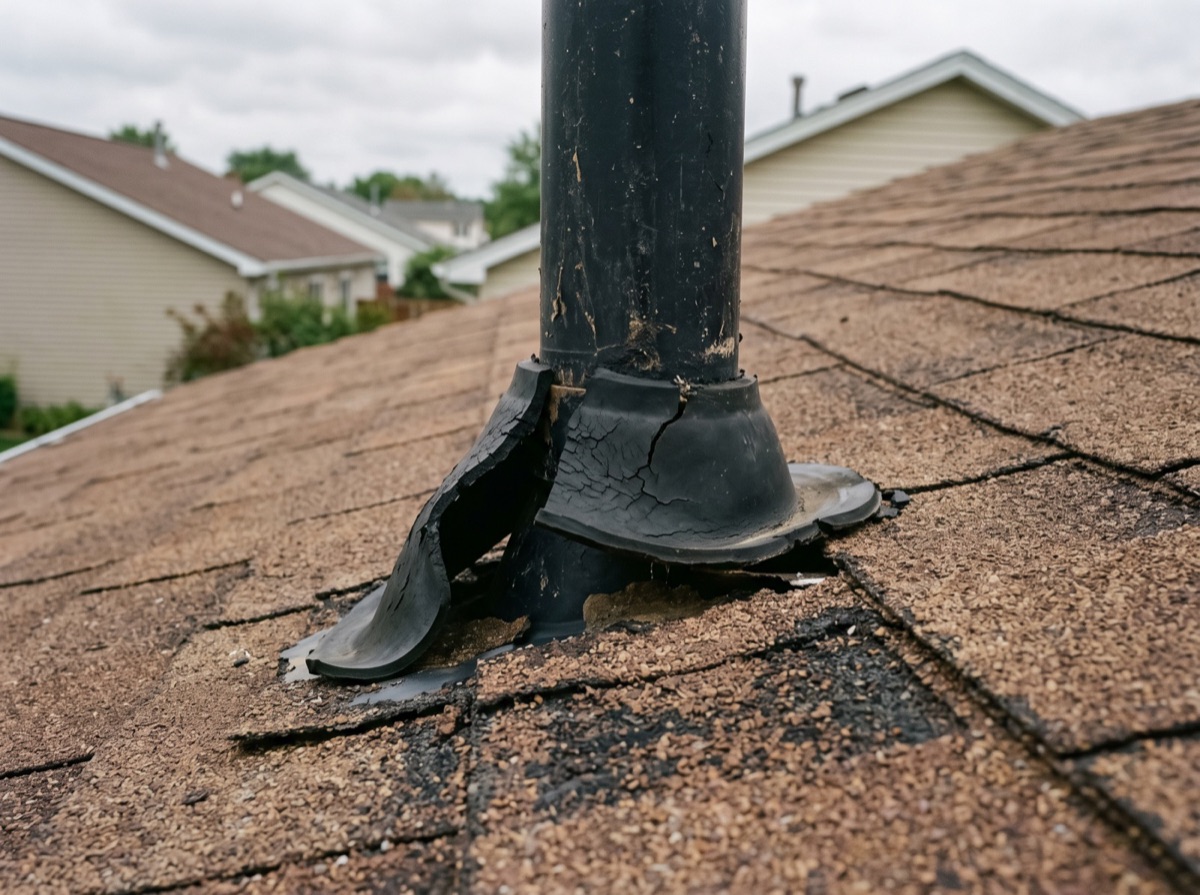
A cracked collar around a vent pipe is the cheapest genuine repair anywhere on this site.
Condensation named as such
If the roof is fine and the attic is the problem, that is exactly what you will be told.
The Problem
That is usually condensation from an under-ventilated attic, not a leak at all.
Moisture from the house rises into a cold attic, condenses on the underside of the roof boards and drips. Every symptom points at the roof, and nothing on the roof is wrong. More than 127,000 homes went up in Montgomery County during the 1950s, vented to the standard of the day. Then insulation got added and the house got sealed up against drafts. The airflow those roofs were built around quietly stopped working.
Why Us
Ice damming, winter condensation and shingles baked from underneath all trace back to the same attic. Correcting it is often the cheapest life extension a roof can be given.
Air has to come in at the roof edge for anything to leave at the ridge. Soffit vents packed solid with insulation are the other half of the problem.
One square foot of net free area per 150 of attic floor, or per 300 where intake and exhaust balance. We measure rather than guess at it.
A cracked rubber collar around a vent pipe is the single most common leak we trace, and the least expensive thing on this page to put right.
What We Do
Everything we cover under Dayton roofing services, from a single slipped shingle to a full tear-off. Not sure which one you need? Call and we'll tell you straight.
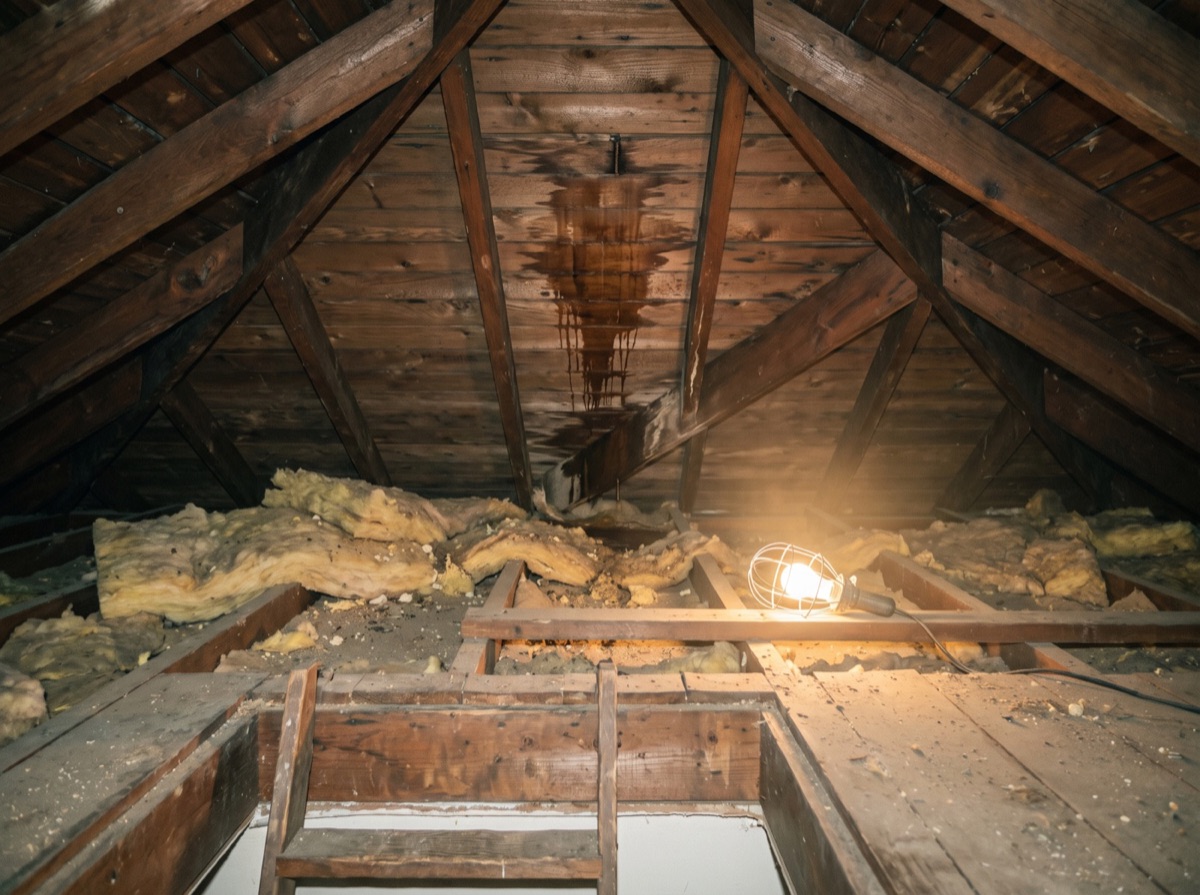
The most common call we get. We trace where the water actually enters, which is rarely directly above the stain.
Learn more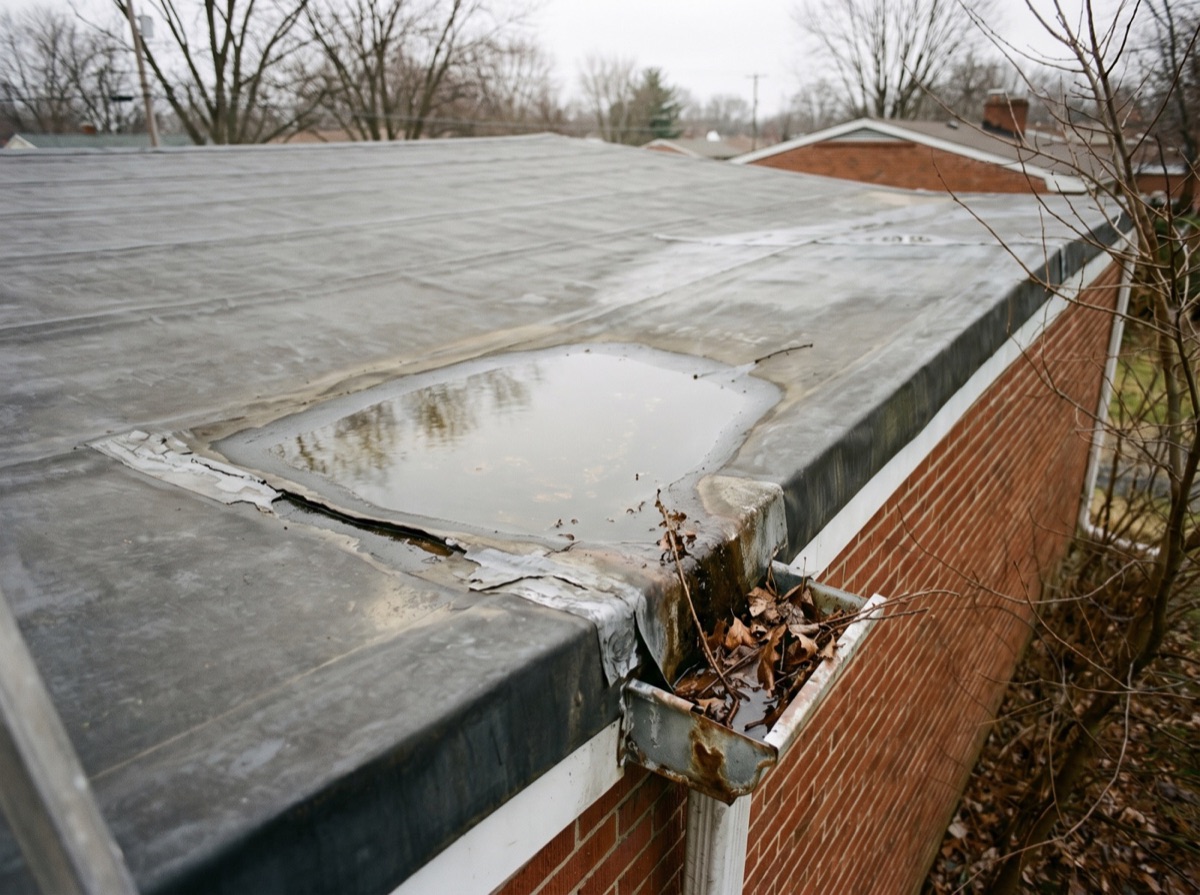
Low-slope roofs on extensions, garages and porches. Ponding, split seams and failed membrane.
Learn more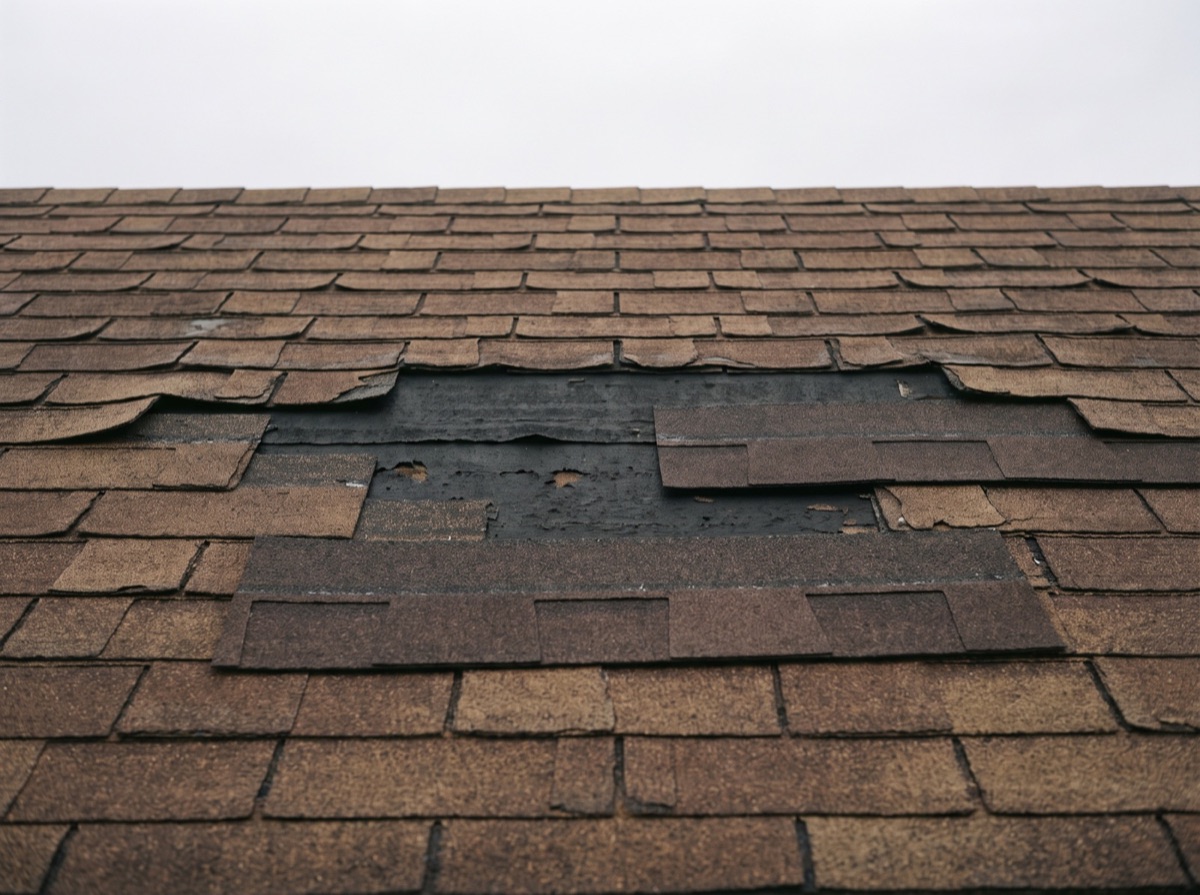
Missing or lifted shingles after a storm. We match what we can and tell you honestly when a patch will show.
Learn more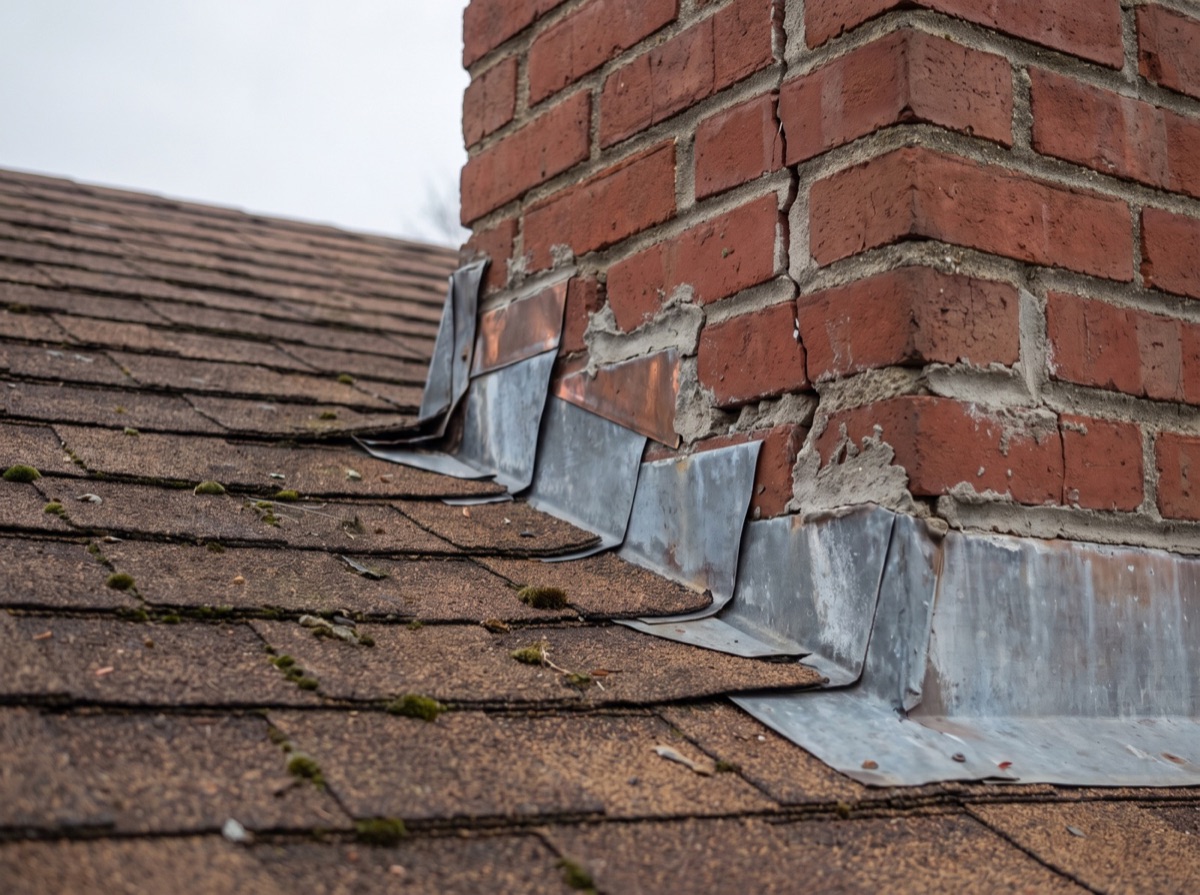
Chimneys, valleys, and where the roof meets a wall. Flashing gives out long before the shingles around it do.
Learn more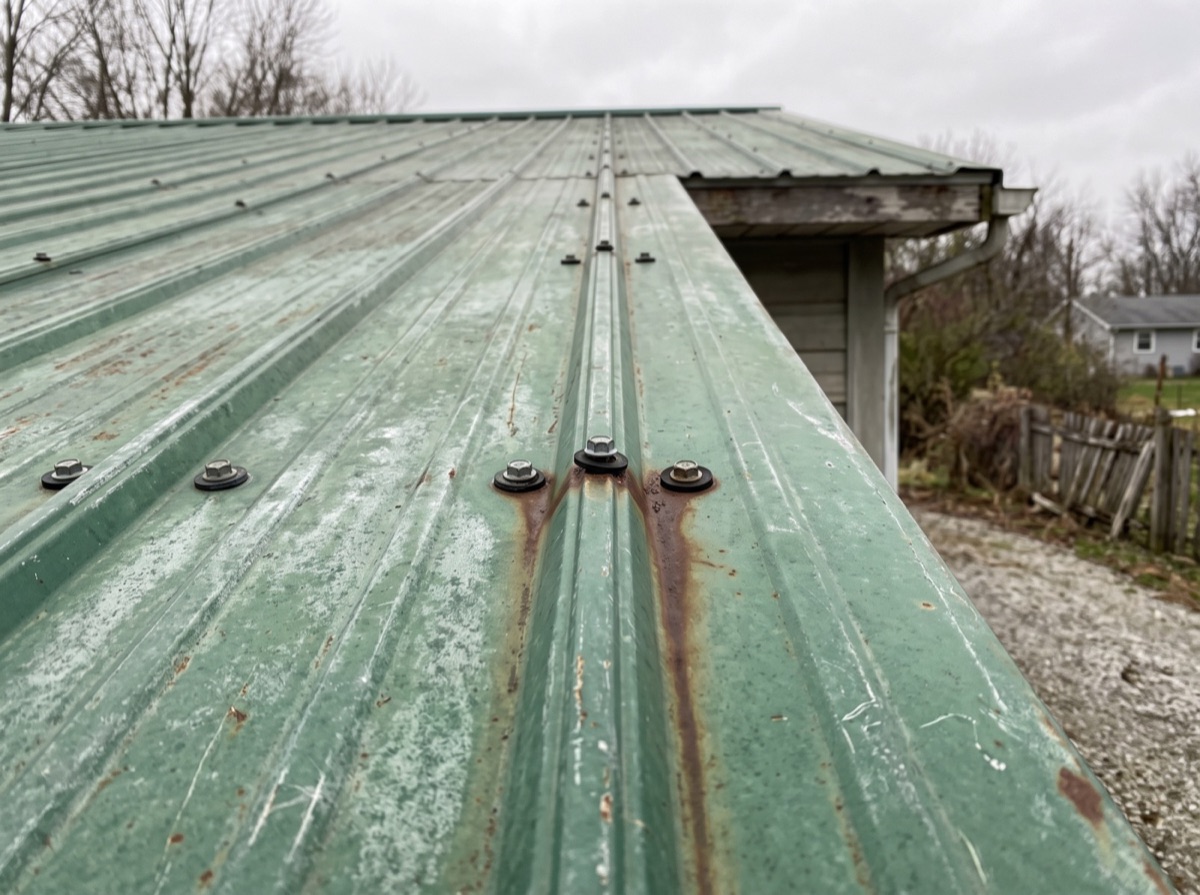
Loose fasteners, split laps and brittle pipe boots. On most metal roofs we see, the panels are sound and the hardware has moved.
Learn more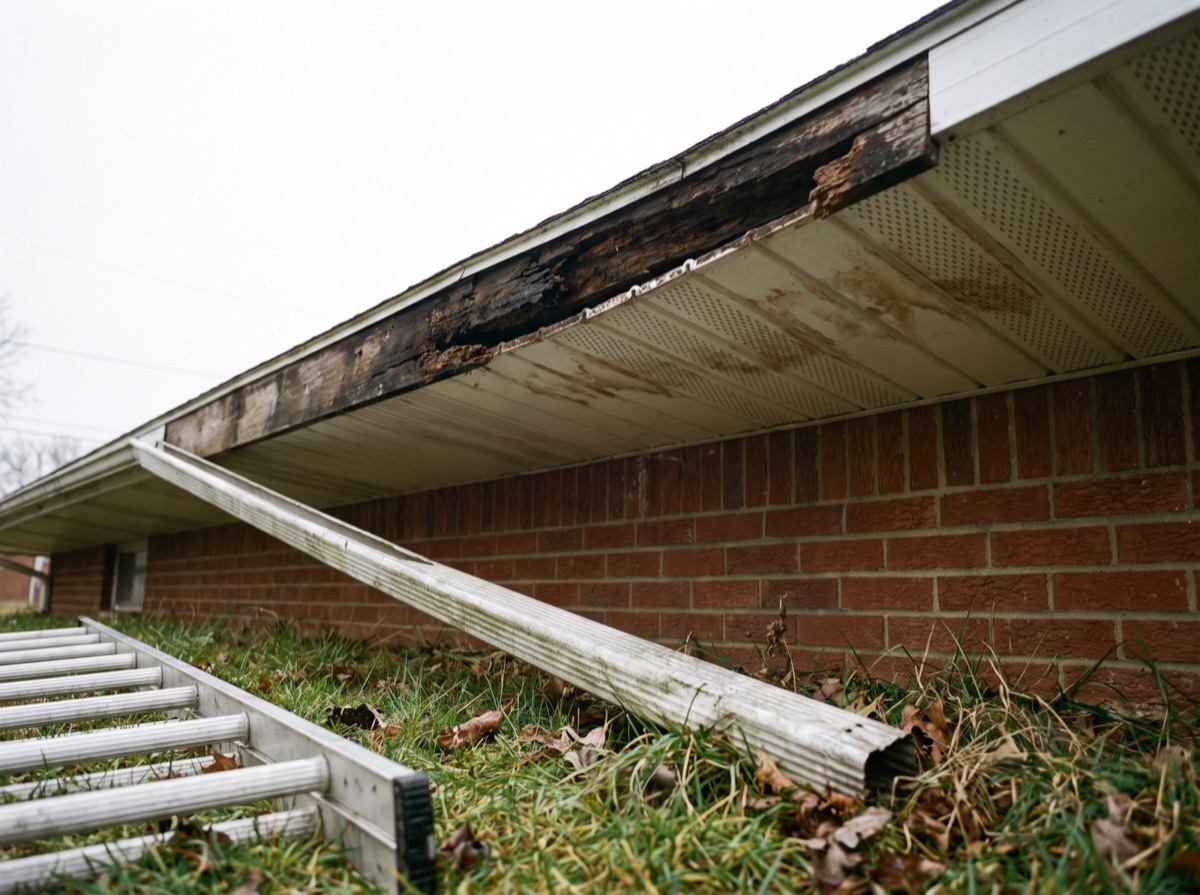
The first wood to rot on most Dayton houses, and nearly always a gutter or ice-dam problem that has been running for two winters.
Learn more
The Difference
The most common ventilation fault we find is a ridge vent fitted to a house with no working intake at the roof edge. Air cannot leave at the top unless it comes in at the bottom. So the vent does very little, and the owner pays twice: once to fit it, and again when the problem carries on.
Nine times out of ten the fix is opening up soffit intake that got packed solid during an insulation top-up, and adding baffles so it stays open. That costs less than more roof vents and it is the thing that actually works.
The tract housing in Huber Heights is where we find this most. One builder, one era, and the same venting fault repeated down the street.
How It Works
Measure, unblock, balance. Most of it done from inside.
Floor area against net free ventilating area, then intake against exhaust. Arithmetic, not opinion.
Usually soffit vents packed with insulation, which is the fault on most 1950s houses around here.
So the airflow the roof was designed around starts working again, and keeps working afterwards.
Cracked collars replaced and ridge or box vents checked while we are on the roof anyway.
Reviews
“We had a leak over the back bedroom for almost two years and kept putting a bucket under it. The team found the problem in about ten minutes. It turned out to be the flashing around the chimney, not the shingles. They fixed it that same afternoon. I wish we had called sooner.”
“We had a full tear-off on our 1950s ranch. The crew arrived at 7 every morning and finished the job in three days. They even swept the entire driveway with a magnetic roller so our kids wouldn't pick up any nails. The final price was exactly what we were quoted.”
“After the hail last June, our insurance company questioned whether the damage was from the storm or simply the age of the roof. The team inspected everything, took detailed photos, and joined the call with our adjuster. The claim was approved. I don't think we would have managed it on our own.”
“Good work at a fair price. I gave four stars because our job had to be pushed back a week due to rain, and I had already taken the day off. They did call ahead and kept us informed instead of simply not showing up, which I appreciated.”
“A tree came down on our garage roof at around nine at night. Someone actually answered the phone, which I wasn't expecting. They had the roof tarped before midnight and came back the following week for the permanent repair. Great response when we needed help.”
“We had new seamless gutters and gutter guards installed around the whole house. They made the gutters right there on site, which I hadn't seen before. We've had two heavy storms since the installation and nothing has overflowed onto the patio. That was exactly the problem we wanted fixed.”
“I booked a roof inspection expecting to hear that we needed a full replacement because that's what the previous two companies told us. After inspecting it, they said our roof probably had about five years left and told us to call back when the time came. They didn't charge us for the inspection. That honesty is why they'll get the job when we eventually replace it.”
“This is the second time we've used them. They installed our gutters a couple of years ago, and we recently hired them again for a full roof replacement. We even had the same crew leader both times. The quote was clearly itemized, so we could see exactly what we were paying for, including the wood underneath repairs.”
Every vent pipe coming through your roof has a rubber collar sealing around it. That collar sits in full sun. It flexes through a 47-degree swing between a Dayton January and July. After ten to fifteen years it cracks where it grips the pipe. It is the most common cause of the leaks we trace. It is also the cheapest to put right, at the very bottom of the $438 to $2,796 range that covers most roof repairs here.
The tell is a stain that appears in sustained rain and dries out between storms, usually within a few feet of a bathroom or kitchen. If you have that on a roof under twenty years old, a boot is the first thing we look at. Anything less obvious gets traced properly, the way we trace anything less obvious.
More than 127,000 homes went up in Montgomery County during the 1950s, and the attic ventilation in them predates the code we build to now. Add insulation over the decades, seal the house up against drafts, and the airflow those roofs were designed around quietly stops working.
What you get is condensation, moisture from the house rising into a cold attic, condensing on the underside of the roof boards, and dripping. It looks exactly like a leak. It shows up in cold weather with no storm behind it. And no amount of work outside on the roof will fix it. Ice damming has the same root cause, which is why dealing with the ice without a ventilation fix is a job you repeat every January.
A ridge vent with no soffit intake does very little, because air has to come in at the roof edge for anything to leave at the ridge. That is the fault we find most often on houses where someone added a ridge vent and the problem did not go away. Blocked soffit vents, usually packed solid with insulation during a top-up, are the other half of it.
Getting it right is a calculation rather than a preference: net free ventilating area measured against attic floor area, split roughly evenly between intake and exhaust. We measure rather than guess. Where the soffits themselves have rotted, that is a soffit and fascia repair before it is a vent job.
Ohio building departments follow the International Residential Code. It asks for one square foot of open vent area for every 150 square feet of attic floor. That drops to one per 300 where the intake and outlet vents are balanced and a vapor barrier is fitted (IRC R806.2). The balance matters as much as the total: exhaust with no intake does not ventilate.
Yes, for a replacement, and for a repair that touches more than 25% of the roof boards, alters the structure, or changes ventilation or drainage. It runs $75 to $500 depending on the size of the job, and we pull it. Worth knowing that a ventilation change is specifically on that list.
A guideline rather than Ohio law: past roughly a quarter of the roof, repair stops making financial sense against replacement. It matters here for a second reason. Ohio requires a permit for any repair that touches more than 25% of the roof boards, and re-doing attic vents often means opening up more than you expect.
Not automatically. Twenty years is where an Ohio asphalt roof starts being assessed rather than assumed, 20 to 25 years is realistic here, shortened by freeze-thaw. If the shingles still lie flat, the grit is holding and the wood underneath is sound, a boot or a vent repair keeps it going a while longer. See how long a roof lasts.
Free Estimate
A cracked pipe collar is the cheapest repair we do. Poor attic venting is the most misread.