01
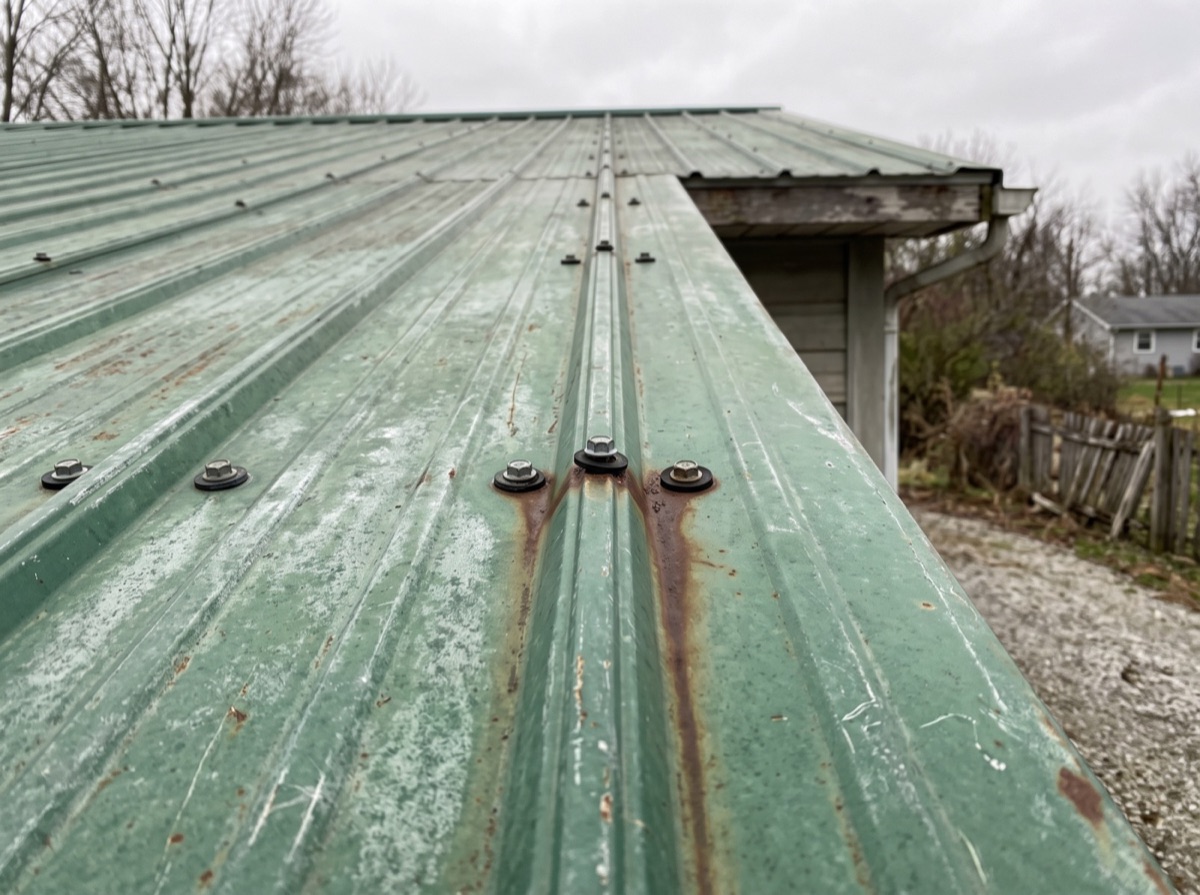
Whole slope, not one screw
The fasteners either side of the one that leaked are exactly the same age. Spot-fixing is why the same call comes back next spring.
Serving the Miami Valley
Roof Repair
Loose fasteners, split laps and brittle pipe boots. On most metal roofs we are called to, the panels are sound and the hardware has moved.
Tell us whether it leaks in one spot or several. Several usually means the screws, which is good news.
Whole slope on fasteners
The screws either side of the leak are the same age. Spot-fixing brings us back next spring.
Panels assessed honestly
Most are sound. We say so even though it is much the cheaper outcome for you.
Coating where it fits
A chalked finish over solid metal buys ten to fifteen years for a fraction of replacement.
The Problem
That usually means fasteners rather than panels, and it is the good version of the problem.
Every screw on an exposed-fastener roof seals through a small rubber washer under its head. The panel moves with the seasons and the screw does not, so after fifteen winters those washers have compressed and the holes have gone slightly oval. Water then gets in at a hundred small points rather than one obvious one. The panels themselves usually outlive everything holding them down.
Why Us
A coating system is worth it where the finish has chalked out but the metal underneath is solid. Replacement is honest only once panels have rusted through at the roof edge.
The fasteners either side of the one that leaked are exactly the same age. Spot-fixing is why the same call comes back next spring.
On the low-pitch runs over garages and extensions, the end lap is submerged every time it rains, which shortens the sealant tape considerably.
Hail dents metal without holing it, so a dented roof is not automatically a leaking one. Impact from a falling limb is another matter entirely.
What We Do
Everything we cover under Dayton roofing services, from a single slipped shingle to a full tear-off. Not sure which one you need? Call and we'll tell you straight.
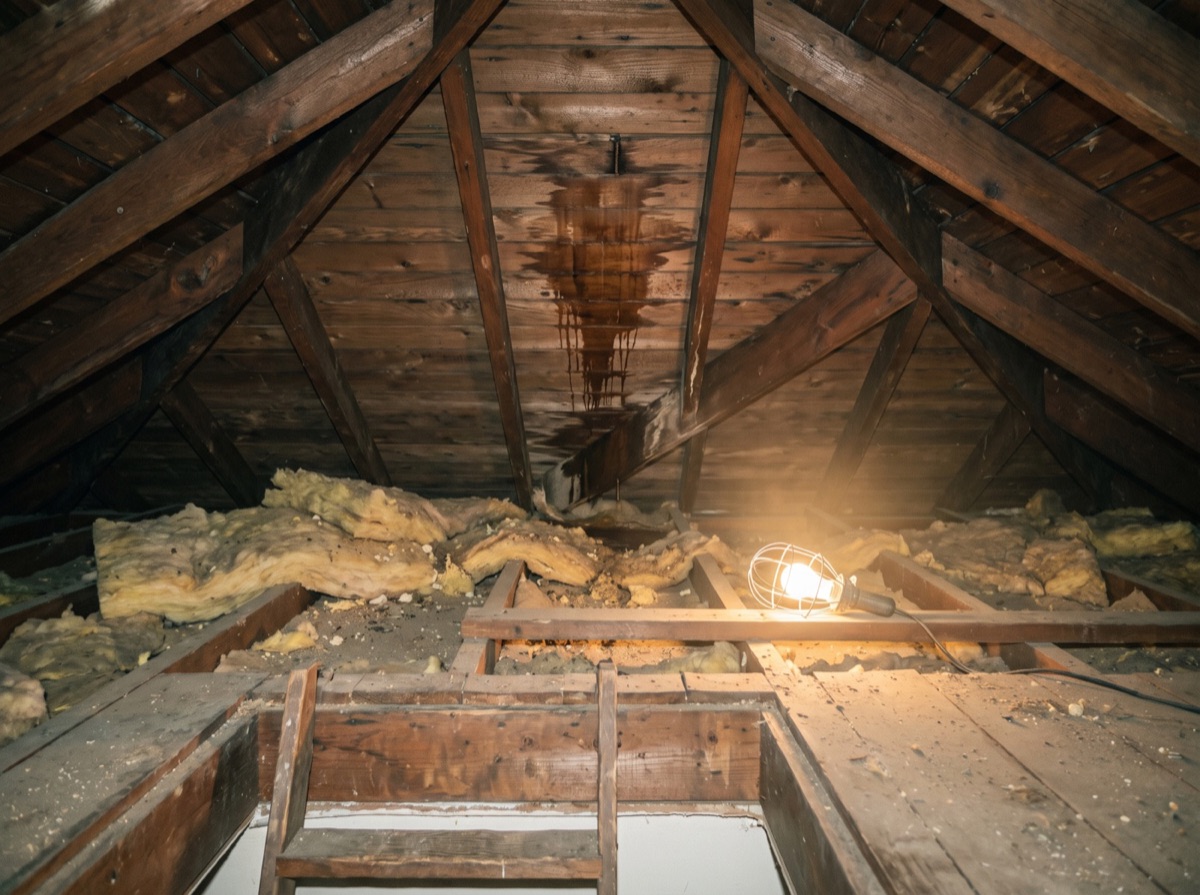
The most common call we get. We trace where the water actually enters, which is rarely directly above the stain.
Learn more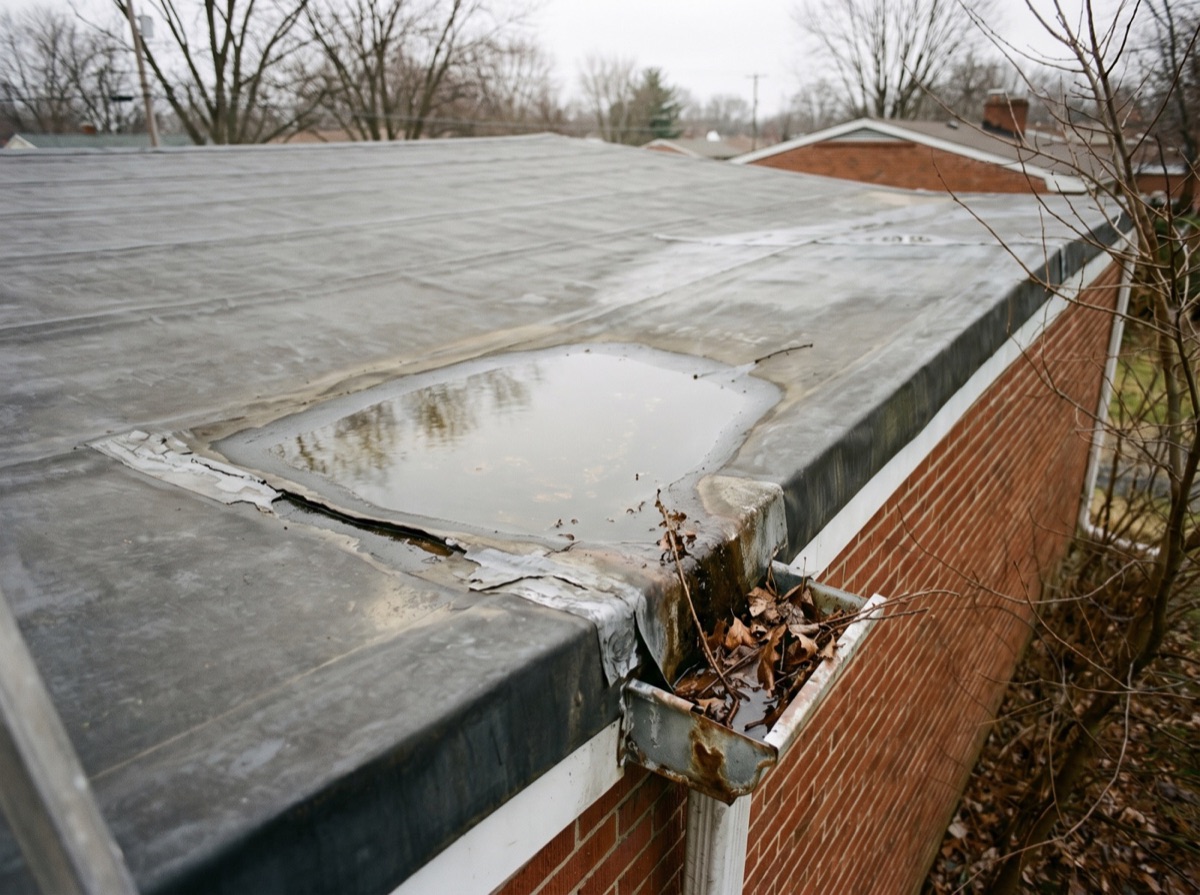
Low-slope roofs on extensions, garages and porches. Ponding, split seams and failed membrane.
Learn more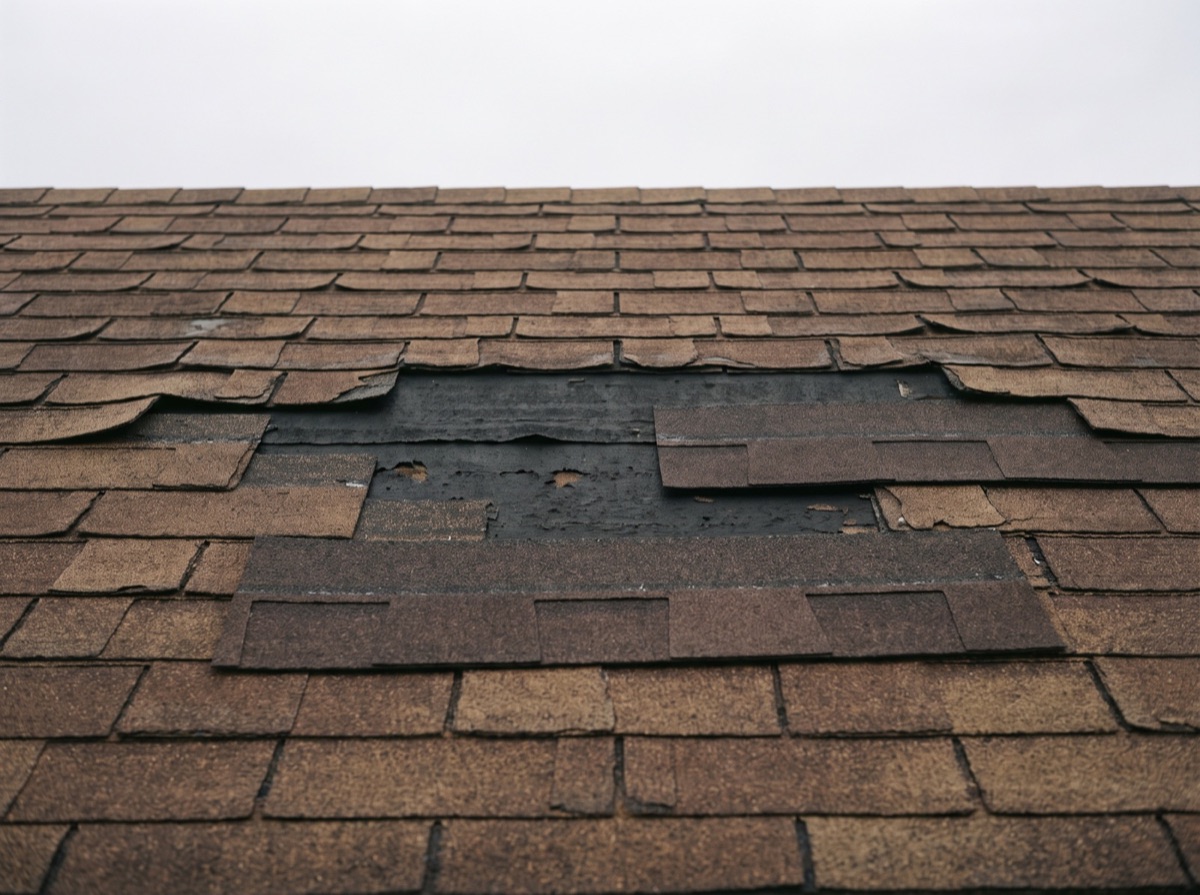
Missing or lifted shingles after a storm. We match what we can and tell you honestly when a patch will show.
Learn more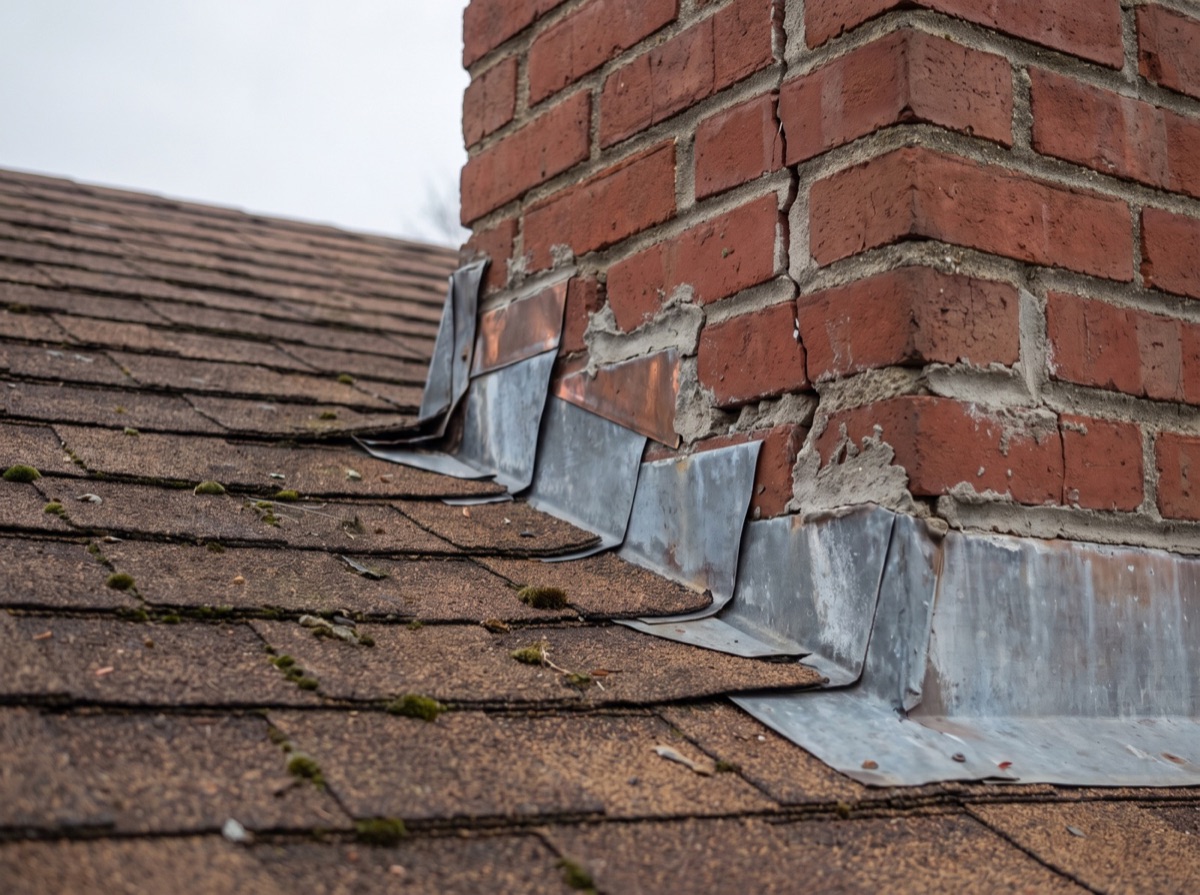
Chimneys, valleys, and where the roof meets a wall. Flashing gives out long before the shingles around it do.
Learn more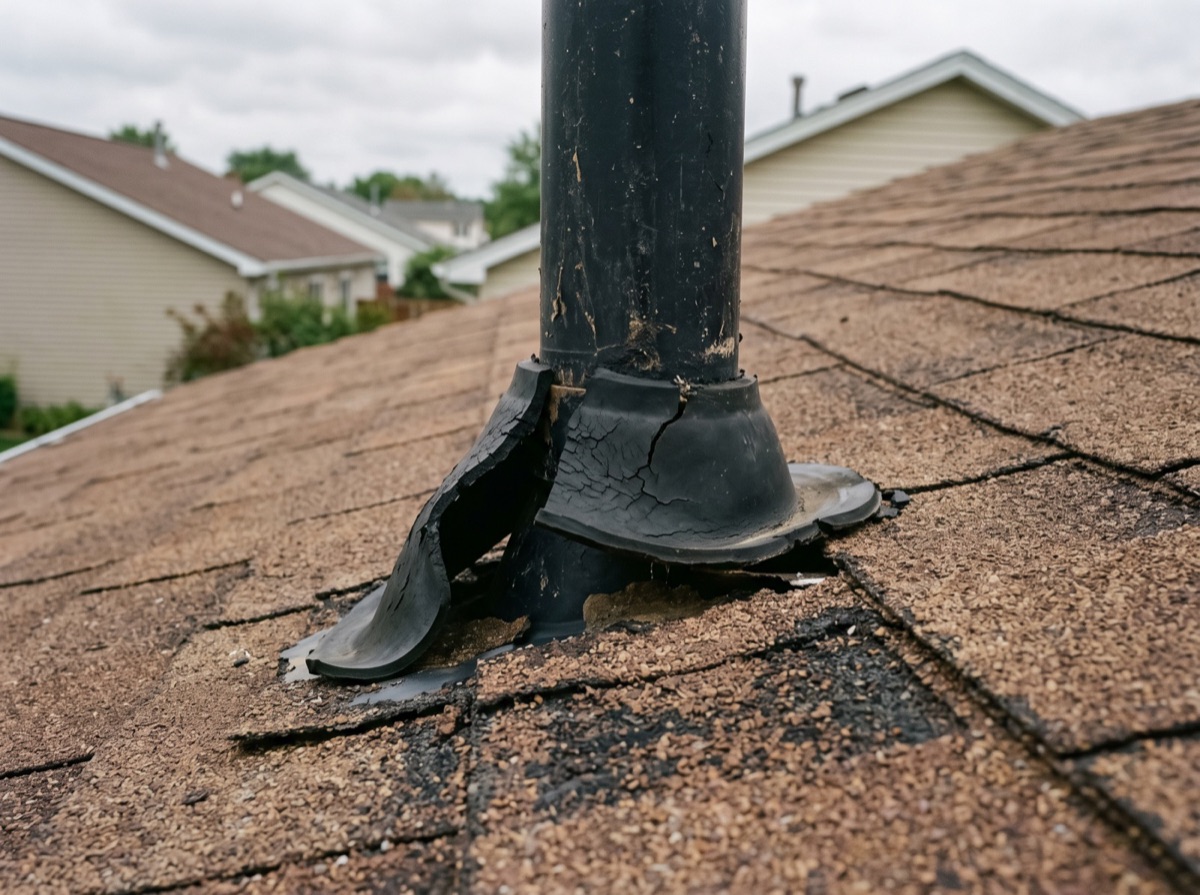
Split pipe boots, ridge vents that do nothing, and attics never ventilated to modern code. Often the cheapest leak on the roof to put right.
Learn more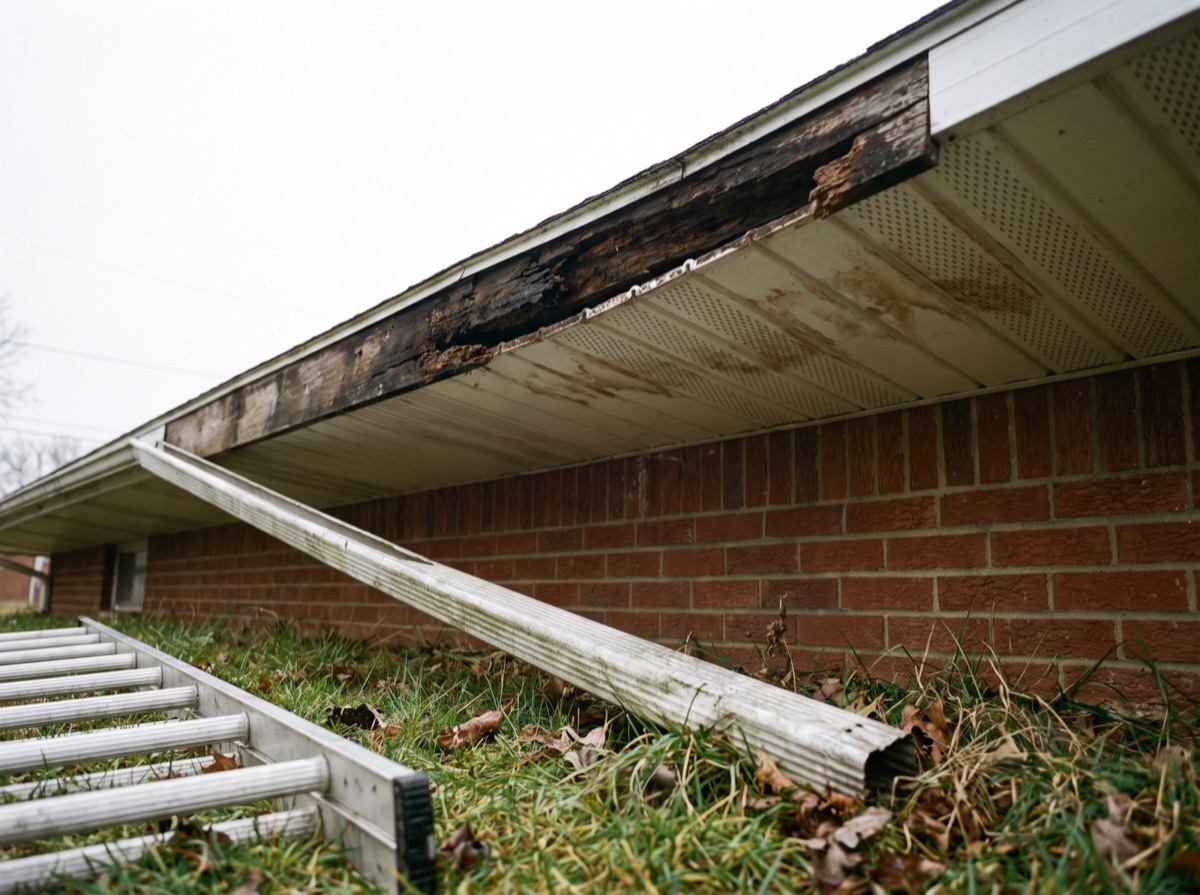
The first wood to rot on most Dayton houses, and nearly always a gutter or ice-dam problem that has been running for two winters.
Learn more
The Difference
A metal roof leaking in five places at once looks like a roof at the end of its life. Usually it is the screws that are worn out, not the roof. The rubber washers have flattened, the holes have gone oval, and every screw on that slope is the same age as the one that leaked.
Replacing fasteners across a slope is a fraction of what new panels cost, and on a roof that is otherwise sound it is the honest recommendation. We would rather do that and be called back in fifteen years than sell a roof nobody needed.
Most of the metal we are called to sits over in Beavercreek, where more houses have it in the first place.
How It Works
Find the entry points, then fix the system rather than one hole.
Several small entry points rather than one obvious hole is the pattern, and it points straight at hardware.
Across the slope, not only where water showed. Oval holes take a larger screw biting fresh metal.
End laps stripped and re-taped, brittle pipe boots cut out and replaced rather than smeared over.
Because a roof that was leaking at a hundred small points needs proving rather than assuming.
Reviews
“We had a leak over the back bedroom for almost two years and kept putting a bucket under it. The team found the problem in about ten minutes. It turned out to be the flashing around the chimney, not the shingles. They fixed it that same afternoon. I wish we had called sooner.”
“We had a full tear-off on our 1950s ranch. The crew arrived at 7 every morning and finished the job in three days. They even swept the entire driveway with a magnetic roller so our kids wouldn't pick up any nails. The final price was exactly what we were quoted.”
“After the hail last June, our insurance company questioned whether the damage was from the storm or simply the age of the roof. The team inspected everything, took detailed photos, and joined the call with our adjuster. The claim was approved. I don't think we would have managed it on our own.”
“Good work at a fair price. I gave four stars because our job had to be pushed back a week due to rain, and I had already taken the day off. They did call ahead and kept us informed instead of simply not showing up, which I appreciated.”
“A tree came down on our garage roof at around nine at night. Someone actually answered the phone, which I wasn't expecting. They had the roof tarped before midnight and came back the following week for the permanent repair. Great response when we needed help.”
“We had new seamless gutters and gutter guards installed around the whole house. They made the gutters right there on site, which I hadn't seen before. We've had two heavy storms since the installation and nothing has overflowed onto the patio. That was exactly the problem we wanted fixed.”
“I booked a roof inspection expecting to hear that we needed a full replacement because that's what the previous two companies told us. After inspecting it, they said our roof probably had about five years left and told us to call back when the time came. They didn't charge us for the inspection. That honesty is why they'll get the job when we eventually replace it.”
“This is the second time we've used them. They installed our gutters a couple of years ago, and we recently hired them again for a full roof replacement. We even had the same crew leader both times. The quote was clearly itemized, so we could see exactly what we were paying for, including the wood underneath repairs.”
The panels usually outlive everything holding them down. On an exposed-fastener roof, every screw has a neoprene washer under its head and that washer is what does the sealing. Dayton goes from an average of 27°F in January to 74°F in July. The metal expands and shrinks across that 47-degree range every year. The screw does not move with it. After fifteen winters the washers have compressed, the holes have wallowed slightly oval, and water gets in at a hundred small points rather than one obvious one.
That is why a metal roof leak often shows up in several places at once and none of them looks dramatic. It is also why the fix is usually not a patch. Replacing the fasteners across the whole slope, with larger-diameter screws that bite into fresh metal and new washers, is the repair that actually holds. The diagnosis comes first either way, which is how we approach any leak.
Four things account for nearly all of it.
The most common by a distance on corrugated and other exposed-fastener roofs. Done properly it is a whole-slope job rather than a spot fix, because the screws either side of the one that leaked are exactly the same age.
Where two panels overlap, sealant tape does the work and it perishes. On the low-pitch runs common over Dayton garages and extensions, that lap sits under standing water every time it rains, which shortens it considerably.
Pipe boots, vents and skylight curbs. The rubber collar around a vent pipe goes brittle and splits exactly as it does on a shingle roof, and it is the single most common leak we trace. See boots, vents and ridge details.
Hail dents rarely leak. A panel creased by a fallen limb does, and on standing seam a single panel can usually be removed and replaced without disturbing its neighbors.
If the panels are sound and the leaks come back to the screws, it is a repair. That is one of the better outcomes on this site, and it sits well inside the $438 to $2,796 that covers most roof repairs here. If the paint has chalked away all over but the metal underneath is solid, a new coating buys ten to fifteen years. It costs a fraction of a replacement.
Replacement is the honest answer when the panels have rusted through at the roof edge, or when the roof is holed in enough places that the 25% rule applies. We will tell you which of the three you are looking at and show you the photographs it is based on. If it is the third, metal roof replacement covers what that involves.
Fasteners, on any roof that has them exposed. The panels commonly outlast two shingle roofs; the screws holding them down need attention at around the fifteen-year mark. Standing seam sidesteps the problem entirely by hiding its fixings under the raised seam, which is most of why it costs more.
Roughly $25,000 to $45,000 in this area, two to three times what asphalt would cost on the same house. That is a replacement, not a repair. If you are here because a metal roof is leaking, the repair is usually a small fraction of it. Priced out in detail on our standing seam page.
It is not Ohio law. It is the rule of thumb insurers and building officials use to decide between a repair and a replacement. Past about a quarter of the roof, patching stops paying. On metal it bites sooner than you would expect, because matching a discontinued panel profile and finish is harder than matching a shingle. Ohio separately requires a permit once a repair touches more than 25% of the roof boards.
It depends what failed, and the honest answer is that you find out before you quote. Loose fasteners get replaced across the slope with larger screws and new washers. Split laps get stripped back and re-sealed rather than smeared over. A brittle pipe boot gets cut out and replaced. Surface sealant over any of those is a stopgap, and we will say so when we do it.
Free Estimate
Most metal roofs we see are sound. We will say so, even though it is much the cheaper outcome.